
Many people mistakenly believe that hair breakage indicates that hair has "stopped growing" or that there is an issue at the scalp. In reality, breakage is generally caused by stress on the hair fibre itself, occurring long after the hair has emerged from the follicle.
To understand why hair breaks, it is important to differentiate between growth and retention. Hair can continue to grow at a normal rate while still appearing thinner, shorter, or more fragile because it is losing length through breakage rather than shedding. This crucial distinction is often overlooked in popular hair care advice, but it is essential for preventing further damage.
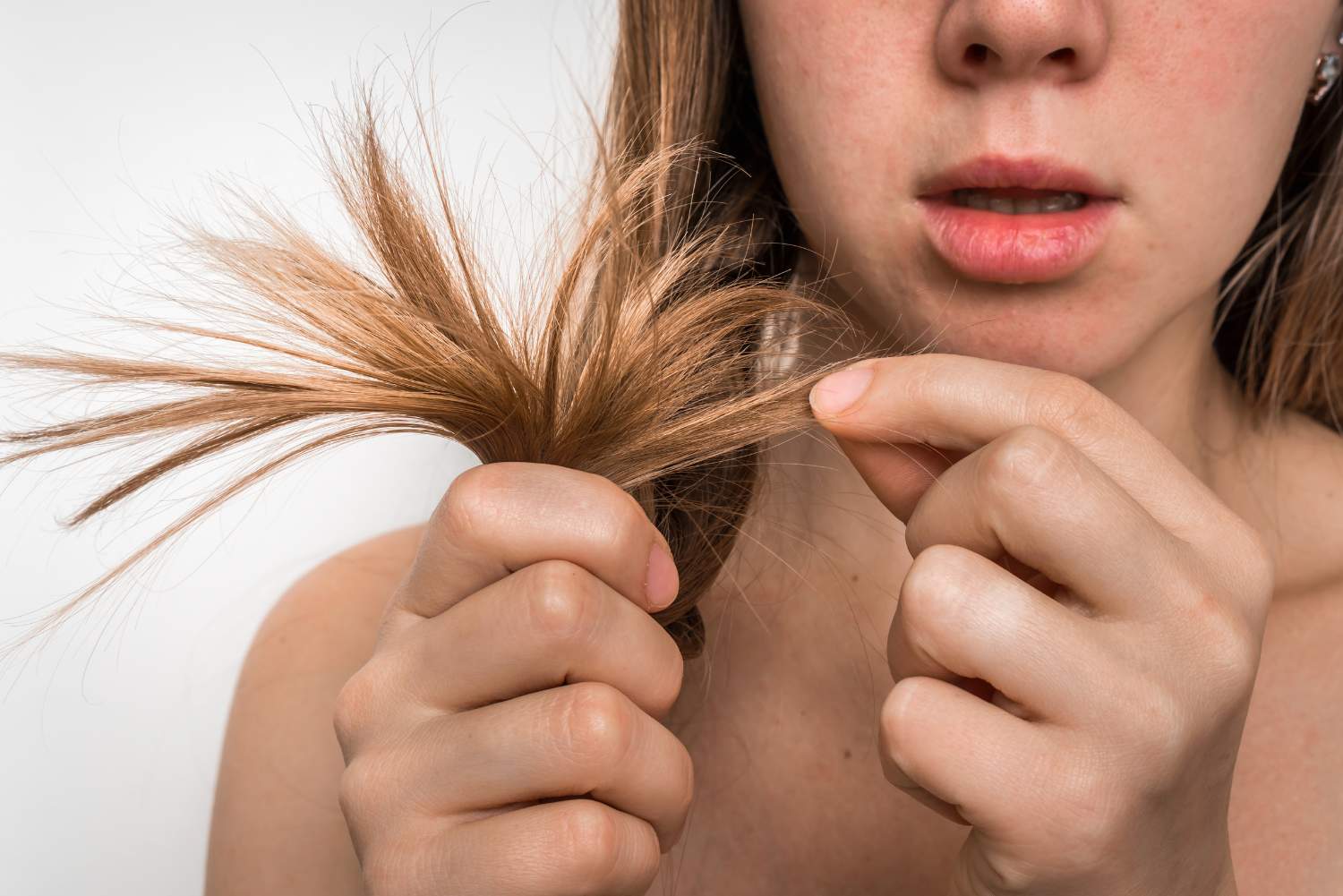
Hair Breakage Is a Fibre Problem, Not a Growth Problem
Once hair emerges from the scalp, it is no longer living tissue. It cannot heal or regenerate. Each strand is a keratin fibre made up of layers that protect its inner structure. When those layers are weakened, hair becomes more vulnerable to snapping, splitting or fraying.
Breakage often looks like slow growth because the hair is still growing at the scalp, but the ends keep snapping before the length shows. Our guide to growing your hair faster explains why retaining length is usually the bigger issue.
Breakage tends to occur gradually. It may start with dryness, rough texture or reduced elasticity, and progress to visible snapping around the hairline, crown or ends. By the time breakage is obvious, the fibre has usually been under stress for some time.
The Main Causes of Hair Breakage
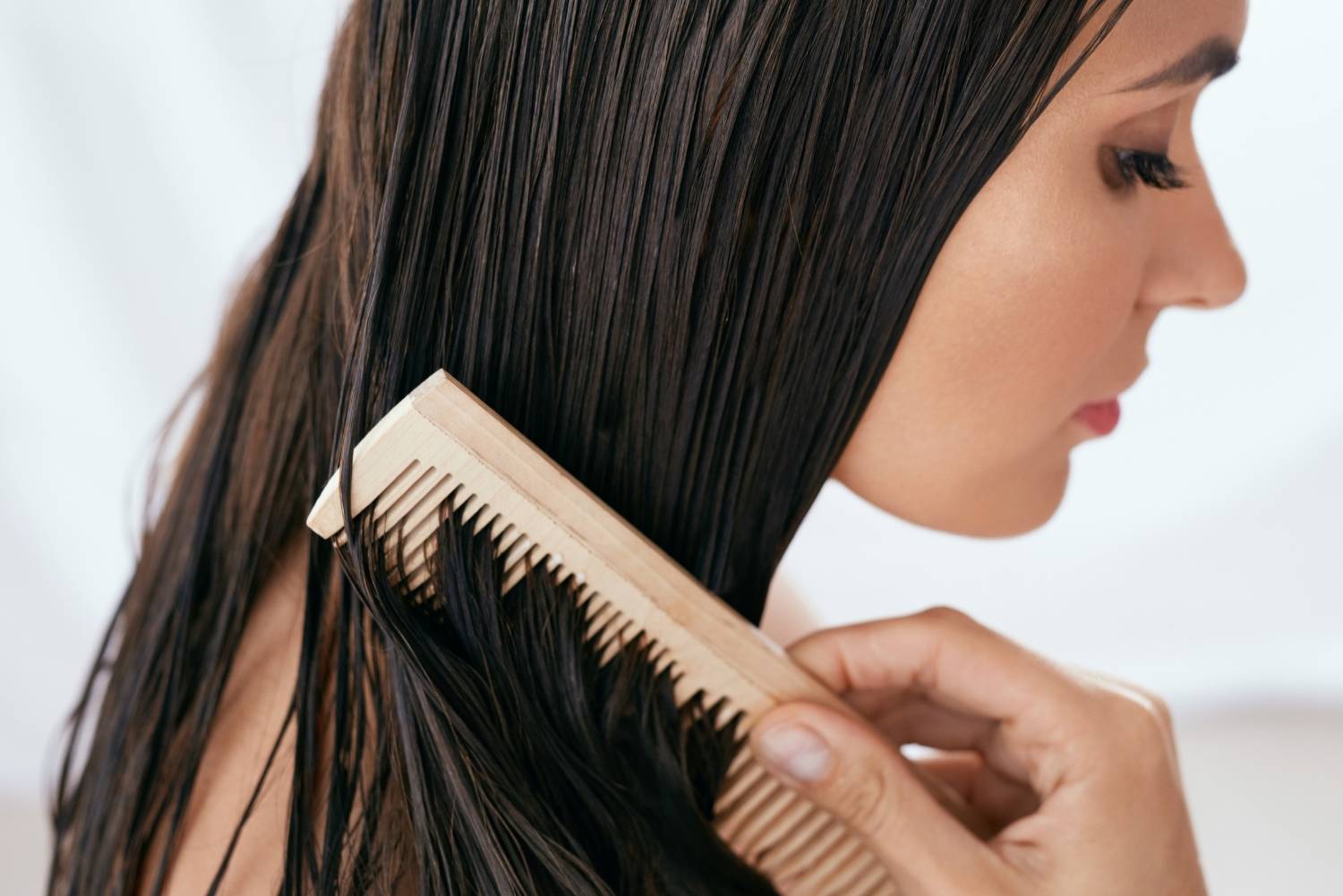
Mechanical stress
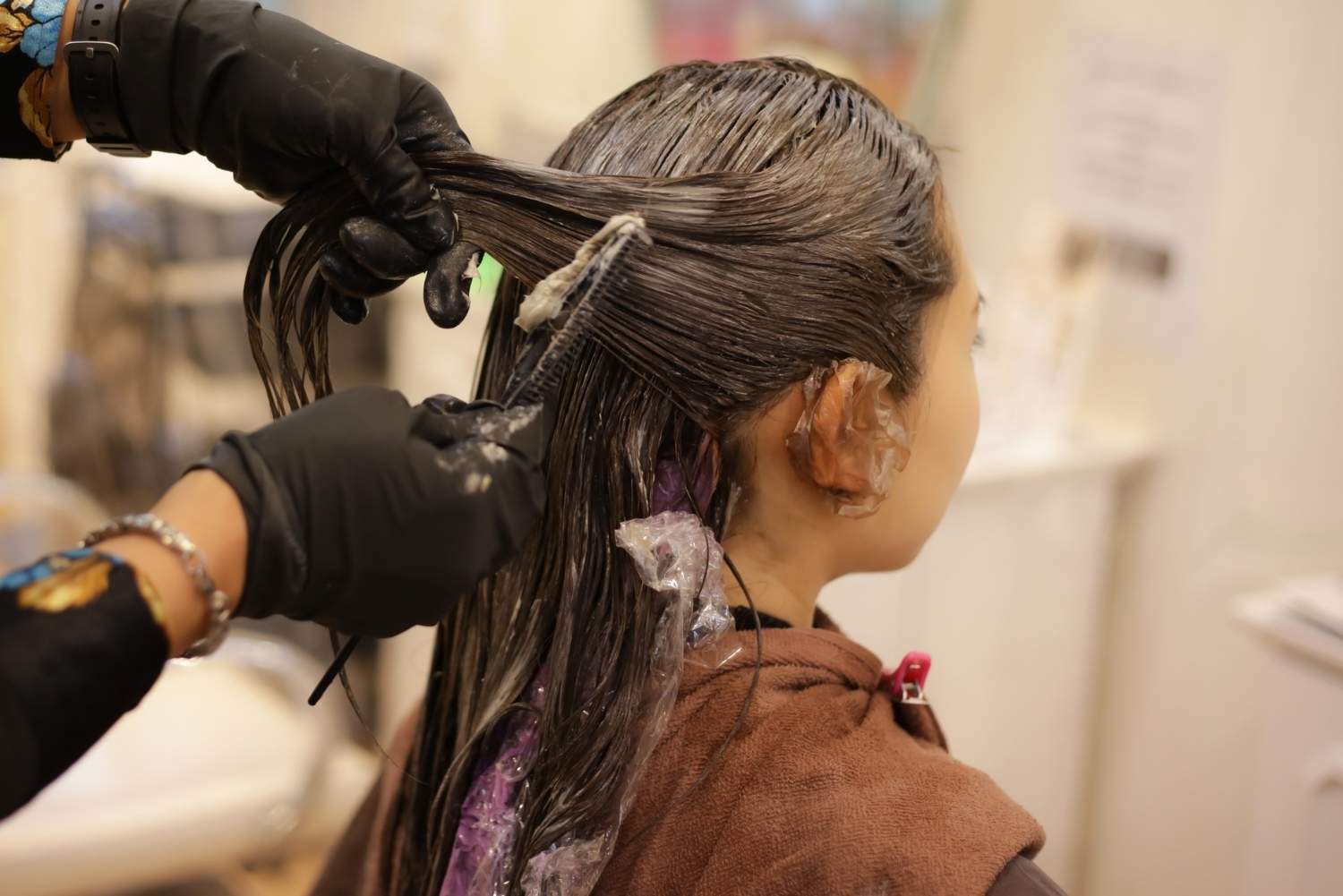
Chemical stress
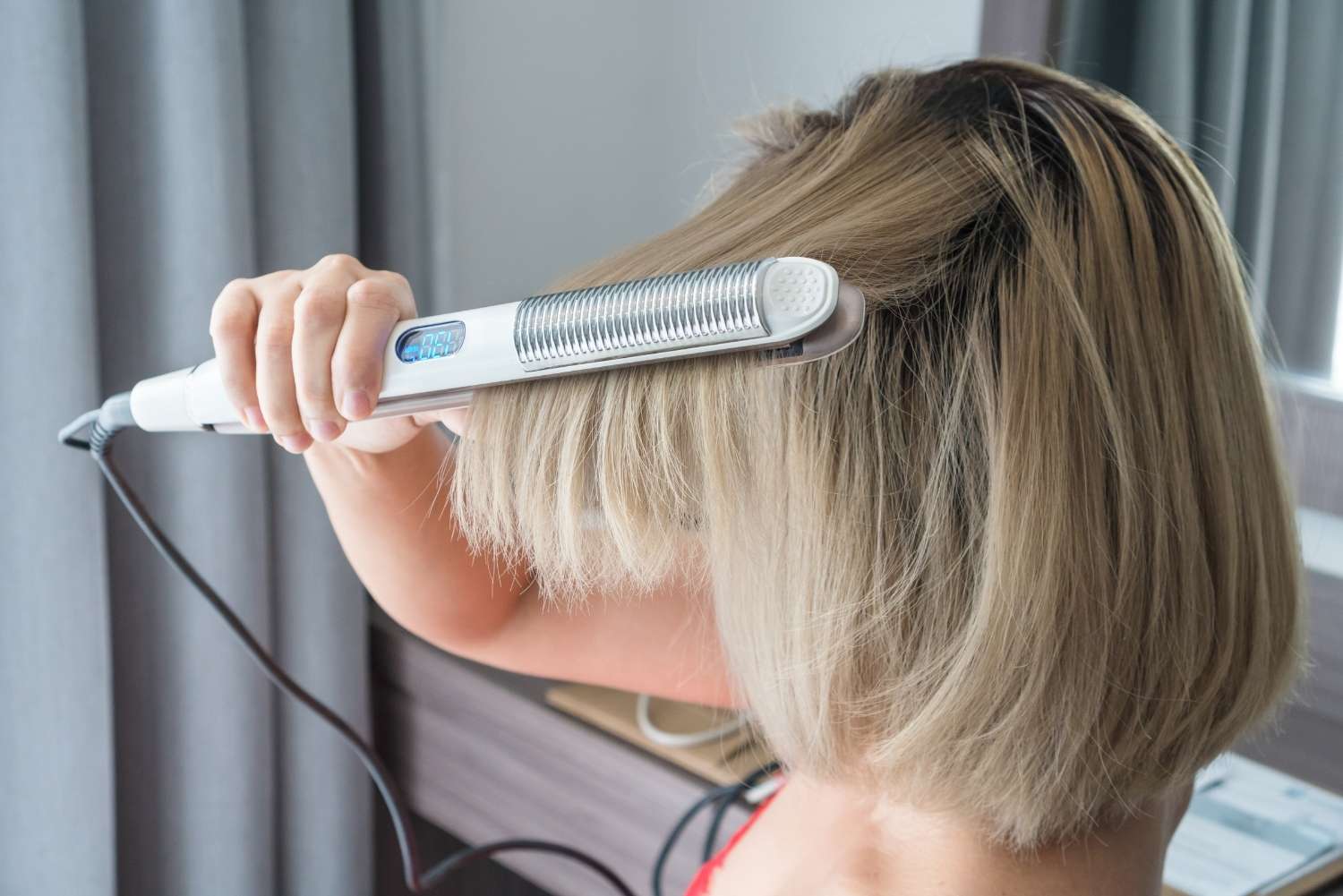
Environmental exposure
How Breakage Shows Up in Everyday Hair
| What You Notice | What Is Happening |
|---|---|
| Hair feels thinner at the ends | Fibre loss from repeated snapping |
| Flyaways around the hairline | Short broken hairs growing unevenly |
| Hair will not grow past a certain length | Breakage offsetting new growth |
| Texture feels rough or stiff | Cuticle damage reducing flexibility |
| Curls or waves lose definition | Structural weakening of the fibre |
Why Breakage Becomes More Common With Age
This does not mean breakage is inevitable. It does mean the threshold for damage becomes lower, and hair requires more thoughtful handling to retain length and strength.

Best Ways to Reduce Hair Breakage
Research-supported prevention focuses on:
Why Breakage Can Feel Like a Growth Problem
For many women, hair breakage doesn’t announce itself clearly. It often shows up as frustration. Your hair seems to reach a certain length and then stop. The ends feel thinner. Styles don’t last. You trim it regularly, yet it never quite looks fuller or longer.
That’s why breakage is so often confused with slow growth.
From the outside, it can look the same. Hair that won’t get longer. Hair that feels weaker than it used to. Hair that seems stuck in the same place year after year. But what’s happening is usually not that your hair has stopped growing. It’s that the length you’re gaining is being lost along the way.
This distinction matters because the solutions feel different in real life.
When people talk about growing hair faster, the focus is usually on the scalp. Supplements. Massages. Serums. Waiting. That can feel logical, but it can also feel discouraging when nothing seems to change.
Breakage tells a different story. It’s about what your hair is going through day to day. Heat. Colour history. Brushing habits. Friction. Dryness. Repetition. Small stresses that add up until the ends can’t keep up with the growth happening at the roots.
Many women notice this when they realise their hair is growing, just not staying. They see new growth at the scalp, but the overall length never changes. Or they notice flyaways and uneven pieces that weren’t there before. Or the ends feel finer every time they run their fingers through.
Understanding this shift can be surprisingly reassuring. It reframes the problem. Instead of asking “Why won’t my hair grow?”, the question becomes “What’s happening to my hair once it’s grown?”
That change in perspective often brings clarity. Growth and breakage aren’t opposing ideas. They’re two parts of the same story. And for many women, protecting the hair they already have is what finally allows length to show.
Hair that is dry, rough or brittle may need a different approach from hair that is simply frizzy or dehydrated. Our guide to reviving dry and damaged hair explains the difference between moisture, repair and salon treatment support.


