
It's one of the most common questions we hear at Rixon Hairdressing on Moorabool Street in Geelong: how often should you colour your hair? People want to know what they're signing up for before they book. How often they'll be back in the chair. How obvious the regrowth gets. And what it adds up to over a year, not just on the day.
The short answer
It comes down to two things more than anything else: the type of colour service you had, and how visible your regrowth is.
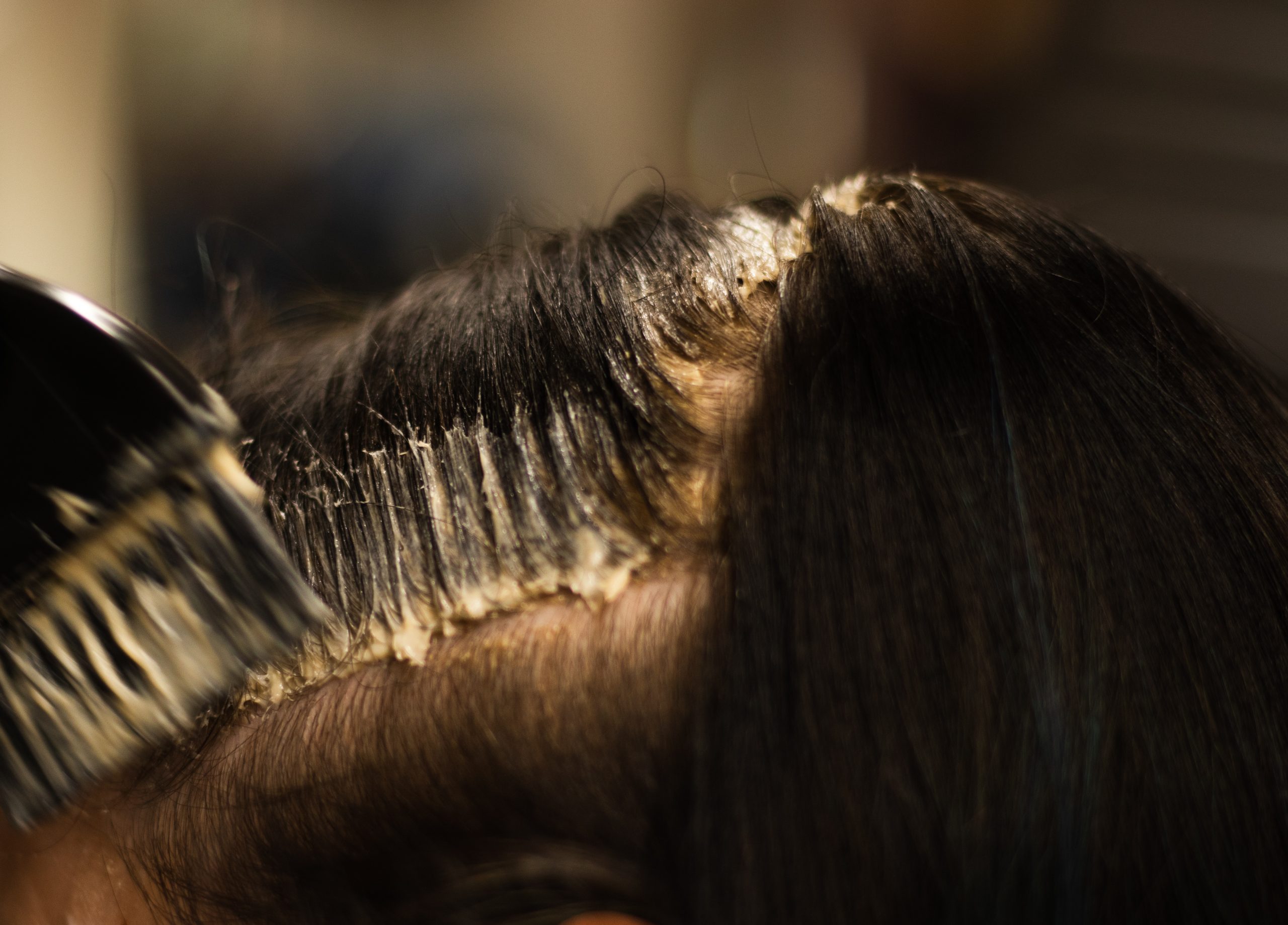
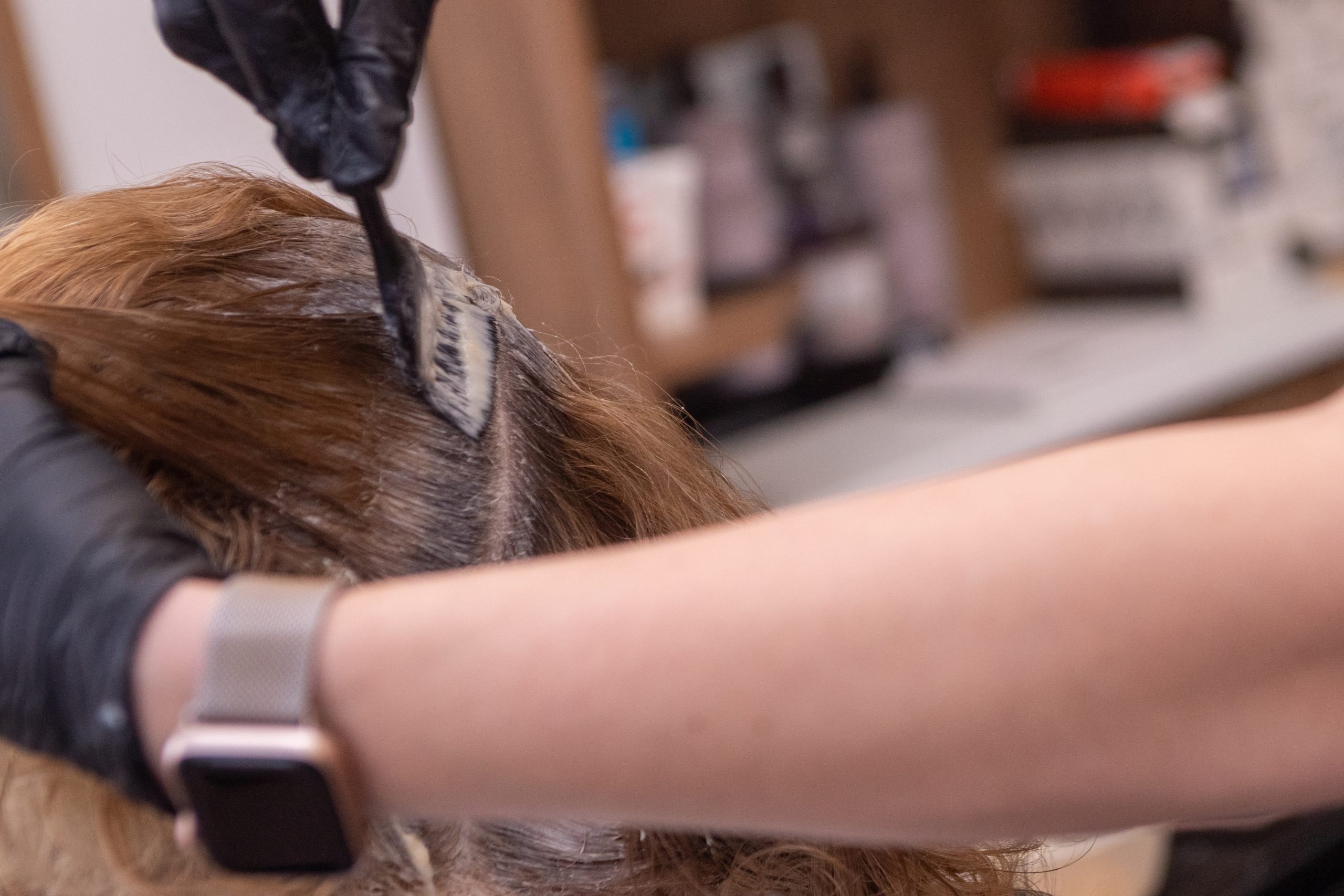
A root retouch chases regrowth right at your part, so it needs doing most often. A balayage is painted down the hair rather than started at the scalp, so it grows out softly and stretches the longest. Foils sit in the middle. A gloss or toner is a lighter refresh you slot in between the bigger appointments. None of them is right or wrong. They are just different trade-offs between how often you come in and how the grow-out looks.
The table below maps each service against the questions people ask: how often you'll need it, how obvious the grow-out is, what to do at home, and roughly what it costs.
Your colour maintenance schedule, service by service
Here's how the main colour services compare for upkeep. Times and costs shift with your hair length, density and how much grey you have, so treat these as a guide rather than a fixed quote.
| Service | How often | Regrowth | At home | Cost guide |
|---|---|---|---|---|
| Root retouch | Every 4 to 6 weeks | Most visible. Shows at the part first | Root spray between visits | Quoted at consultation |
| Half head foils | Every 6 to 10 weeks | Moderate | Toner or gloss at the halfway mark | $250 to $400 |
| Full head foils | Every 5 to 8 weeks | Most visible on bright blondes | Toner every 4 to 8 weeks | $299 to $445 |
| Balayage | Every 10 to 16 weeks | Softest grow-out | Gloss between visits | $350 to $445 |
| Gloss or toner | Every 4 to 8 weeks | Not a lifting service, so no regrowth line | Cooler water, fewer washes | Quoted at consultation |
Prices are a guide only. We confirm the exact figure at your consultation before any colour goes on.
Why the intervals are so different
Reading how a particular head of hair behaves, how fast it grows, how warm it pulls, how quickly the tone drops, is the part that comes with time. It's a feel a salon builds over years of colouring the same clients through every season. Rixon has been doing exactly that in Geelong for more than fifty years.
What makes you need colour more or less often
How to stretch the time between appointments
If you're trying to get more weeks out of each appointment, a few habits make a real difference.
- Book a gloss or toner between full services. A refresh at the halfway mark keeps the tone looking intentional, so your colour reads fresh even when you're due for foils.
- Use a root spray or powder for the in-between week. It won't replace a retouch, but it buys you a week or two when the diary is tight.
- Choose a colour closer to your natural base. The smaller the gap, the less obvious the regrowth, and the longer you can leave it.
- Pick a softer technique if frequency is the concern. Moving from a solid root colour to balayage or foils trades a sharp grow-out line for a soft one.
- Wash less often, in cooler water. Hot water and daily washing strip toner faster. Two or three washes a week holds colour for longer.
There's a limit to all this. Some choices simply need more upkeep. A high-contrast blonde or full grey coverage will always ask more of your diary than a soft, lived-in colour, and no product changes that. The trick is picking a colour that matches the upkeep you genuinely want, not the one you wish you wanted.
Frequently asked questions
You can, and plenty of people do. The catch is that the longer you leave a root retouch, the wider the regrowth band gets, and the more work it takes to blend it back in. That can mean a longer appointment and a higher cost. Stretching a balayage is far more forgiving, because there's no hard line to fix.
Your regrowth gets more obvious at the crown and part, and the contrast between your natural colour and the foiled sections grows. It's not damaging to wait. It just means the next appointment has more to do, and the result takes a little longer to get back to looking seamless.
It genuinely is lower maintenance, because the colour isn't placed at the root, so there's no sharp line to chase as it grows. You'll still want the odd gloss to keep the tone fresh, but you can comfortably go three to four months between full appointments. That's the main reason people switch to it.
Often, yes. It depends on where your current colour sits and how it's grown out, so it's a conversation to have with your colourist rather than a guaranteed swap. If cutting down on appointments is the goal, it's one of the first things worth asking about.
Not quite. Bands of old colour, uneven lift from a previous salon, or patchy home kits all need evening out before a regular routine sits right. That's a colour correction, which resets the whole canvas first. It's a service Rixon does regularly, and once your colour is even again, you move onto a normal maintenance schedule from there.
Ready to map out your colour?
Here's the part a table can't tell you. The right interval for your hair is set at your first colour appointment, not before it. Once your colourist sees how your hair lifts, how fast it grows and how well it holds tone, you get a schedule built around your hair and your diary rather than a rule of thumb.
If you're new to Rixon, the $25 new client offer covers that first consultation and a design cut, so you can map out a colour plan before committing to a full service. Book in at our Moorabool Street salon and we'll sort out a routine you can live with.


