
Hair that once seemed to grow easily now appears to stall. Length gains slow, the ends feel thinner, and no matter how patient you are, your hair never seems to move past a certain point.
The instinctive response is to look for ways to make hair grow faster. But for most women in their thirties, forties and fifties, growth itself is not the real issue. Hair is still growing. The problem is that it often does not stay long enough to show that growth.
Understanding this distinction changes everything.
The Difference Between Growing Hair and Keeping It
Hair growth happens at the scalp. Hair length is determined by what survives below it.
Many women notice:
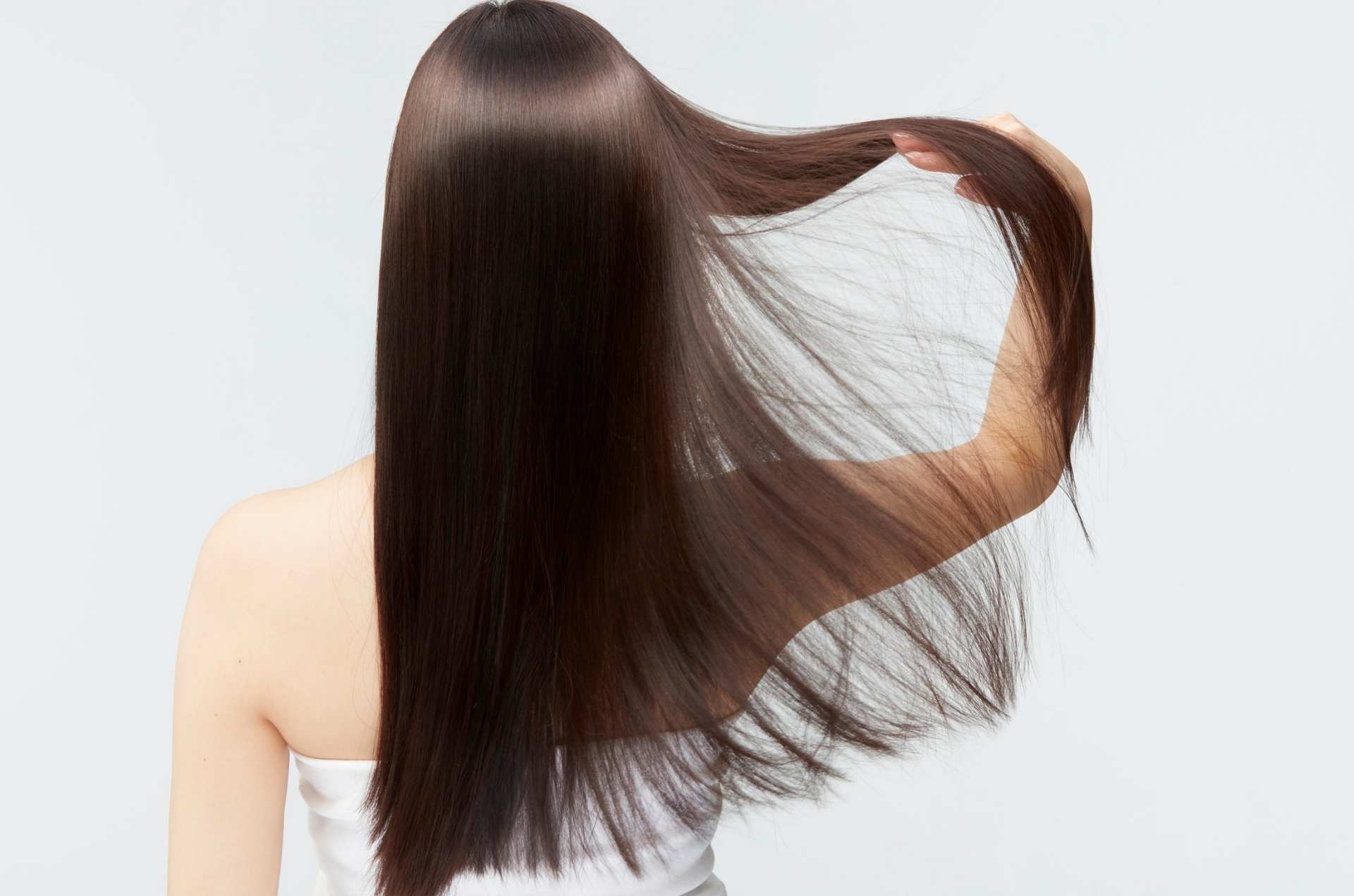
This is why the question “how do I grow my hair faster?” often leads to disappointment. Speed is rarely the missing factor. Retention is.
How Breakage Limits Visible Length
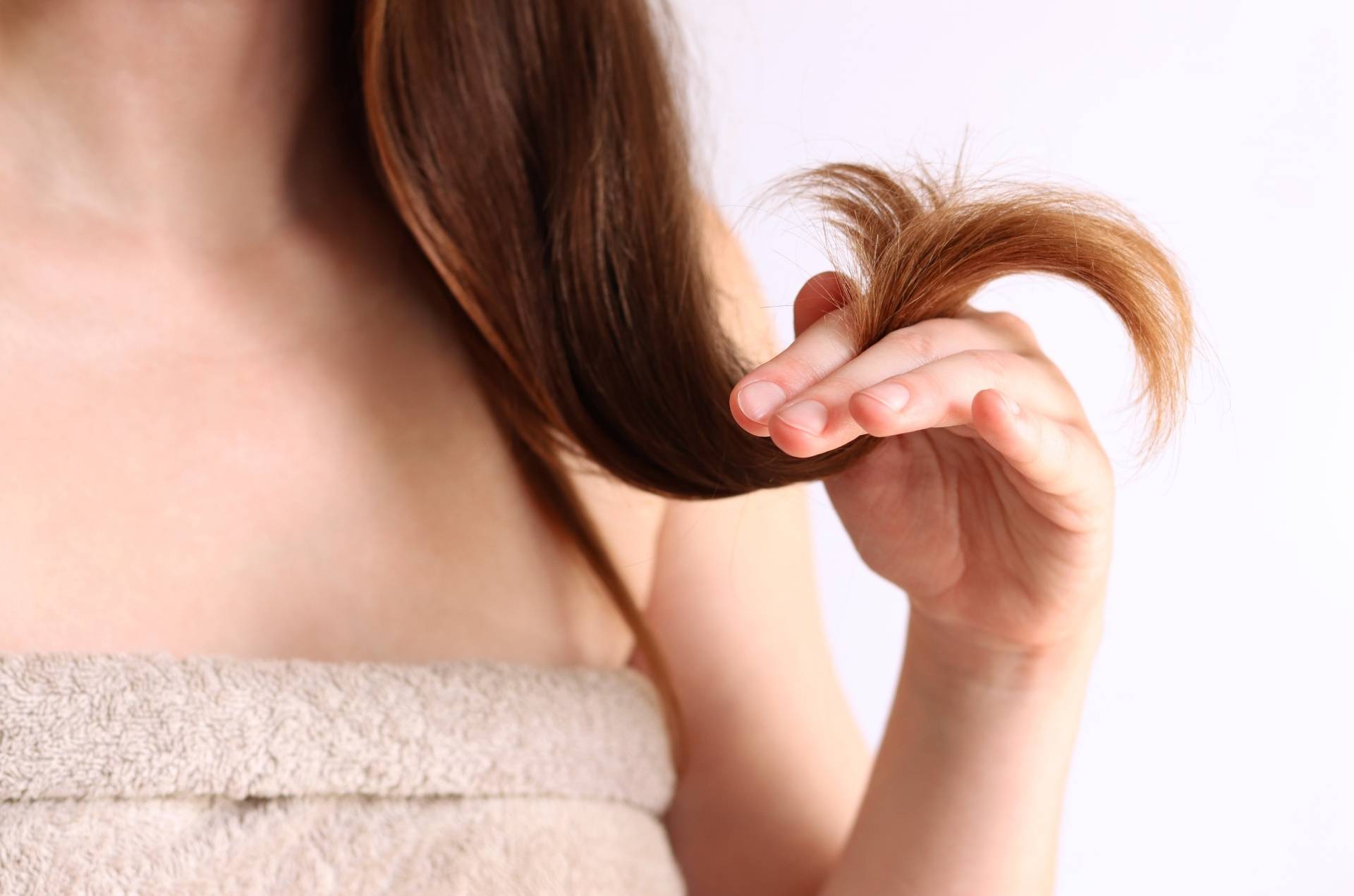
Breakage shortens hair from the ends upward. It does not remove growth, it reduces what remains.
Breakage becomes more common when:
Why Dryness and Texture Changes Matter
Many women describe their hair as drier than it used to be. What they are often noticing is reduced elasticity. Hair that bends less easily is more likely to snap under tension.
Texture shifts also affect how hair behaves. Hair may feel coarser, less responsive or more resistant to styling. These changes increase the likelihood of breakage, particularly at the ends.
This is one reason hair can look healthy at the roots but fragile through the lengths.
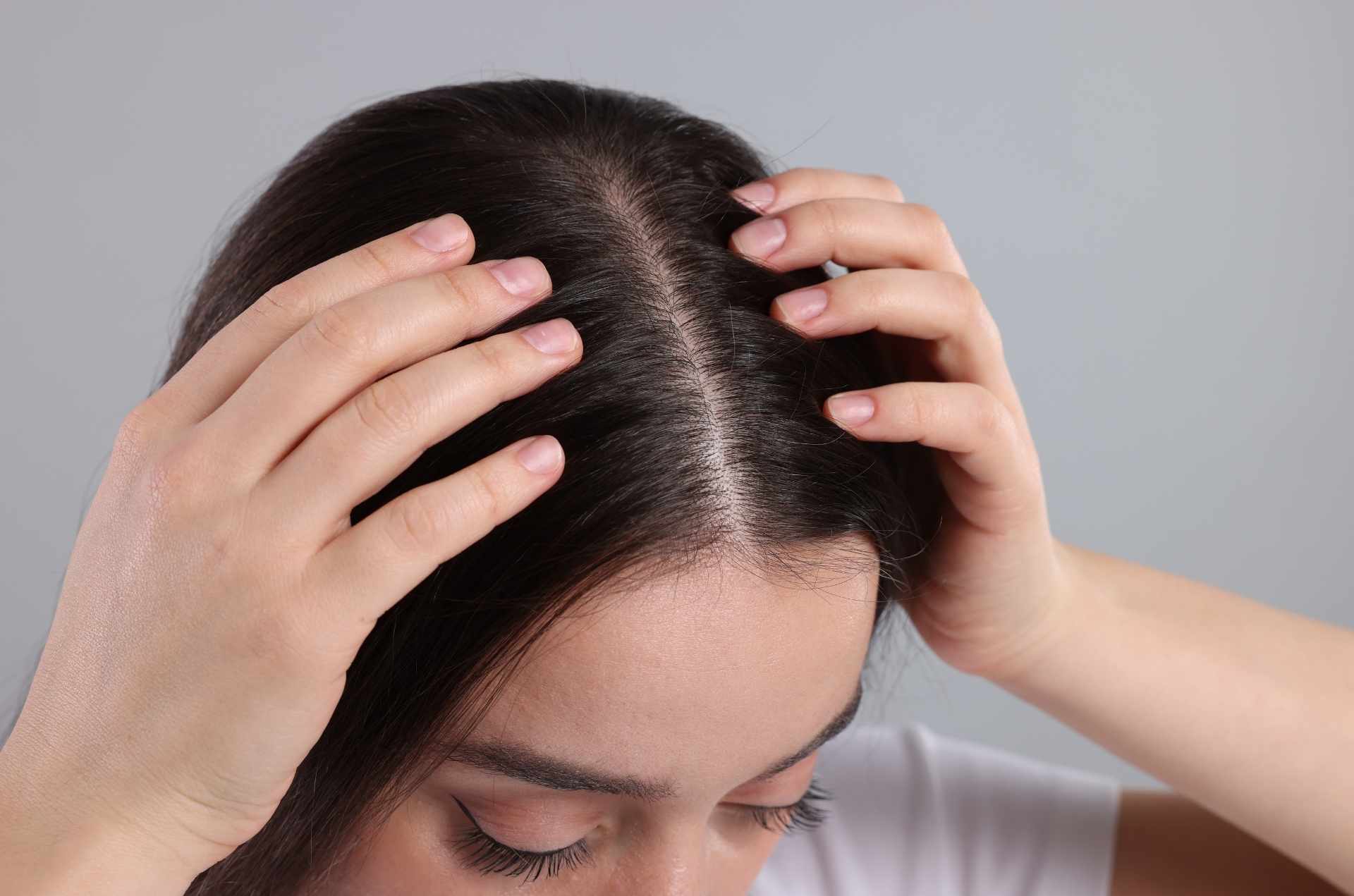
What Role the Scalp Actually Plays
Scalp health matters for comfort and consistency, but it cannot override genetics. A healthy scalp supports regular growth cycles, but it does not dramatically accelerate growth speed.
This is where expectations often drift. Massages, treatments and routines can support scalp comfort and hair quality, but they cannot force hair to grow faster than its natural rate.
What they can do is support an environment where growth is steady and uninterrupted.
Common Myths That Create Confusion
Many women feel discouraged because they have tried advice that promised quick results. Much of that advice misunderstands the issue.
Common myths include:
What Realistic Progress Looks Like
For most women, progress looks subtle. Hair feels stronger. Ends last longer between trims. Length slowly becomes more noticeable over time rather than all at once.
This is not a dramatic transformation. It is a gradual shift where growth finally has the chance to show. When hair is also protected from unnecessary breakage, its natural growth rate becomes visible again.
Hair growth is not about pushing harder. It is about creating conditions where hair can last long enough to be seen.
Frequently Asked Questions
Hair follicles continue producing hair, but visible growth often slows due to increased breakage and reduced retention.
This usually indicates breakage offsetting new growth rather than a lack of growth at the scalp.
Supplements can support general health if you are deficient, but they cannot force hair to exceed its natural growth rate.
Trimming does not affect growth speed, but it can help manage weak ends and reduce breakage over time.
Scalp care supports comfort and regular growth cycles, but it cannot override genetic growth limits.
Breakage and reduced density through the lengths can make hair appear thinner despite ongoing growth at the roots.


