
The colour may still be technically there, but it no longer looks the way it did. Blonde turns brassy, brunettes lose depth, reds dull quickly, and toner seems to disappear far sooner than expected.
What makes fading confusing is that it rarely comes down to one single cause. Most women are not doing anything “wrong”. Colour shifts because hair, environment and daily habits interact in ways that are easy to overlook. Understanding those interactions makes fading feel less mysterious and far more manageable.
Why Hair Colour Fades at All
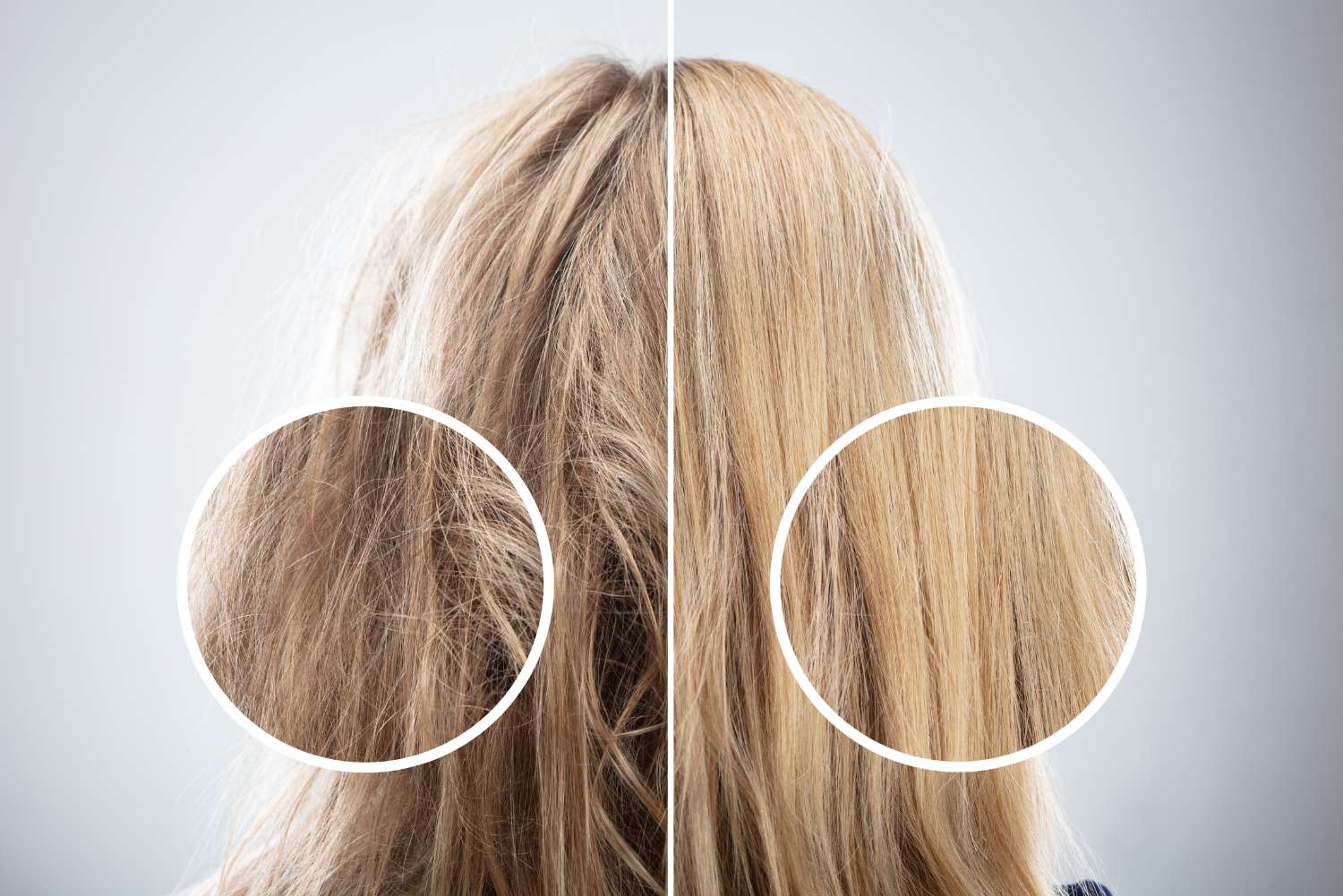
Once hair is coloured, the pigment sits within a fibre that is constantly exposed to the outside world. Light, water, heat and friction all interact with the hair shaft. Over time, those interactions affect how colour looks, even when the pigment itself has not completely disappeared.
Fading tends to happen faster when the hair cuticle is slightly raised or porous. This allows pigment to escape more easily and light to reflect differently, which changes tone and depth.
Australian Conditions Matter More Than People Realise
Hair colour behaves differently in Australia than it does in many other parts of the world. The intensity of sunlight alone plays a major role.
Key environmental contributors include:
Common Fading Patterns Women Notice
Women often report:
The Difference Between Colour Fade and Colour Washout
One of the most helpful distinctions is understanding whether colour is fading or washing out.
| What You See | What’s Likely Happening |
|---|---|
| Tone shifts warmer or duller | Toner fading faster than base colour |
| Colour looks lighter overall | Pigment loss from repeated exposure |
| Hair feels dry and rough | Porosity increasing light reflection |
| Shine drops but colour remains | Cuticle damage affecting appearance |
Why Heat and Water Have a Compounding Effect
Warm water opens the cuticle slightly. Heat tools then dry the fibre further. Over time, this combination makes it harder for hair to hold onto tone and softness, especially in lighter or previously lightened hair.
Many women notice this most around the hairline and ends, where exposure is greatest.
Why Texture and Porosity Change the Outcome
Porosity also changes with age, colouring history and environmental exposure. As porosity increases, colour reflects differently, even before it has fully faded.
What Realistic Colour Longevity Looks Like
Understanding this helps reset expectations:
What This Means for Ongoing Colour Care
Stopping hair from fading completely is unrealistic. Slowing visible change and understanding why it happens is far more achievable.
Many women find that regular tone refreshes, gloss services or maintenance appointments help stabilise colour between major visits. These approaches focus on restoring balance rather than redoing everything.
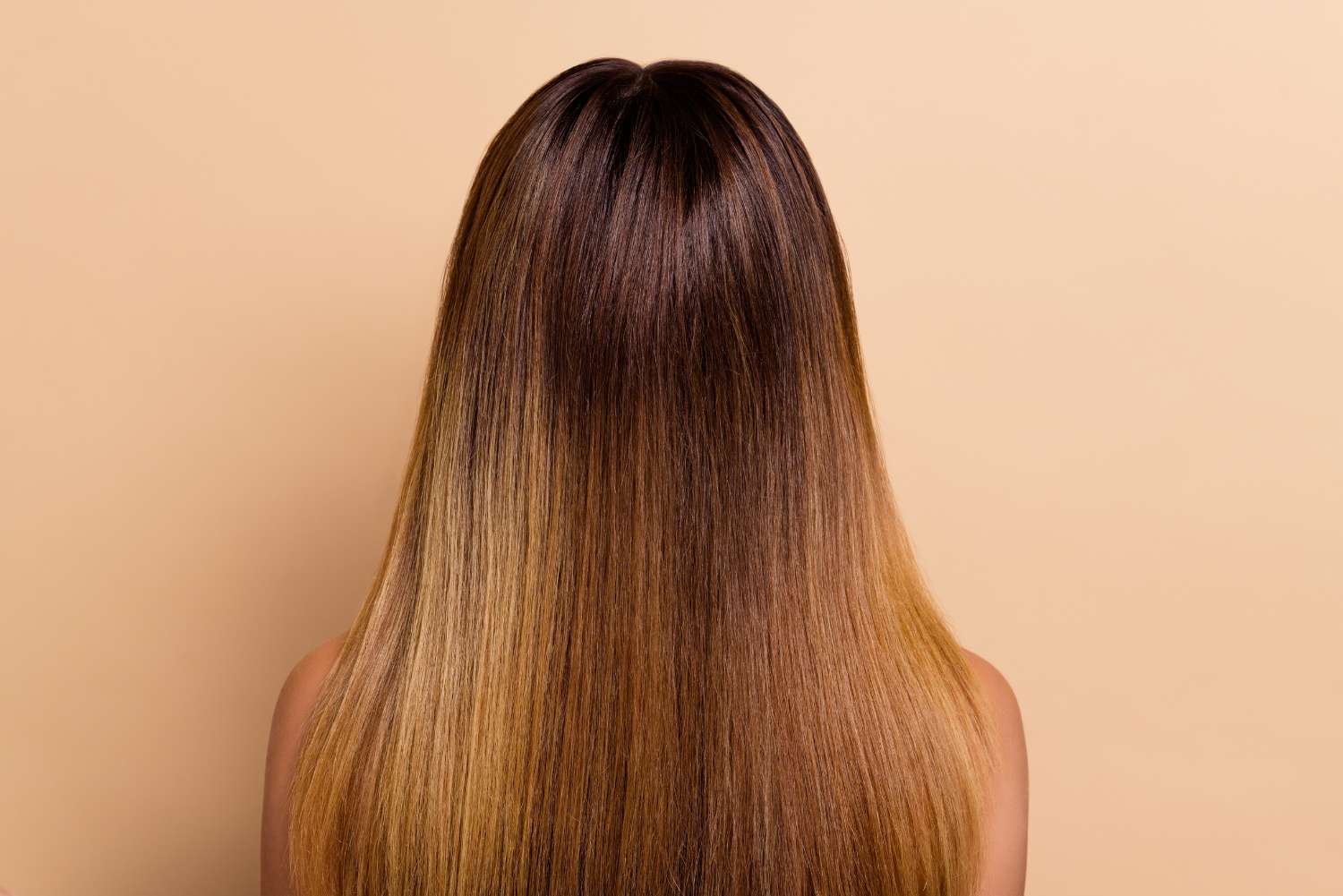
Just as importantly, understanding your own fading pattern allows more informed decisions about shade, placement and maintenance rhythm.
Why Fading Is Not a Failure
Hair colour fading is not a sign that your colour was done poorly or that you have failed to maintain it. It is a natural interaction between hair, environment and time.
When women understand why their colour changes the way it does, frustration often gives way to clarity. Colour becomes something that evolves rather than something that slips away.


