

Most women can tell you their hair colour history the way other people recall addresses they’ve lived at. The Sun-In phase. The box dye disaster at nineteen. The highlights that went copper when they were supposed to go ash. Every shade leaves a mark, even the ones that washed out in a fortnight.
Hair colour is personal in a way that haircuts rarely are. A cut changes the shape. Colour changes how light falls across your face, how you look in photos, whether strangers read you as warm or cool or bold or understated. Women who have found their colour know this. Women still searching for it can usually tell you about every appointment that missed.
The women who love their colour most tend to share one thing. They understood what they were asking for before they sat down. They knew the difference between a balayage and a full head of foils, what grey blending meant versus grey coverage, and roughly how many weeks they had before the next appointment. The colour worked because the conversation
Start with what you want to see in the mirror
Most people book a colour appointment by asking for a technique. Balayage, because they’ve heard the word. Foils, because that’s what their friend gets. A colourist worth their chair will redirect that conversation toward an outcome.
Do you want to look lighter all over? Brighter around the face? Are you trying to soften grey or cover it completely? Do you want something that grows out gracefully over months, or are you comfortable with regular upkeep to keep things crisp?
Two women can walk in asking for the same service and walk out looking completely different. Starting points, hair texture and skin tone all play into the result. The technique follows the goal. When people choose the technique first, the goal gets lost.
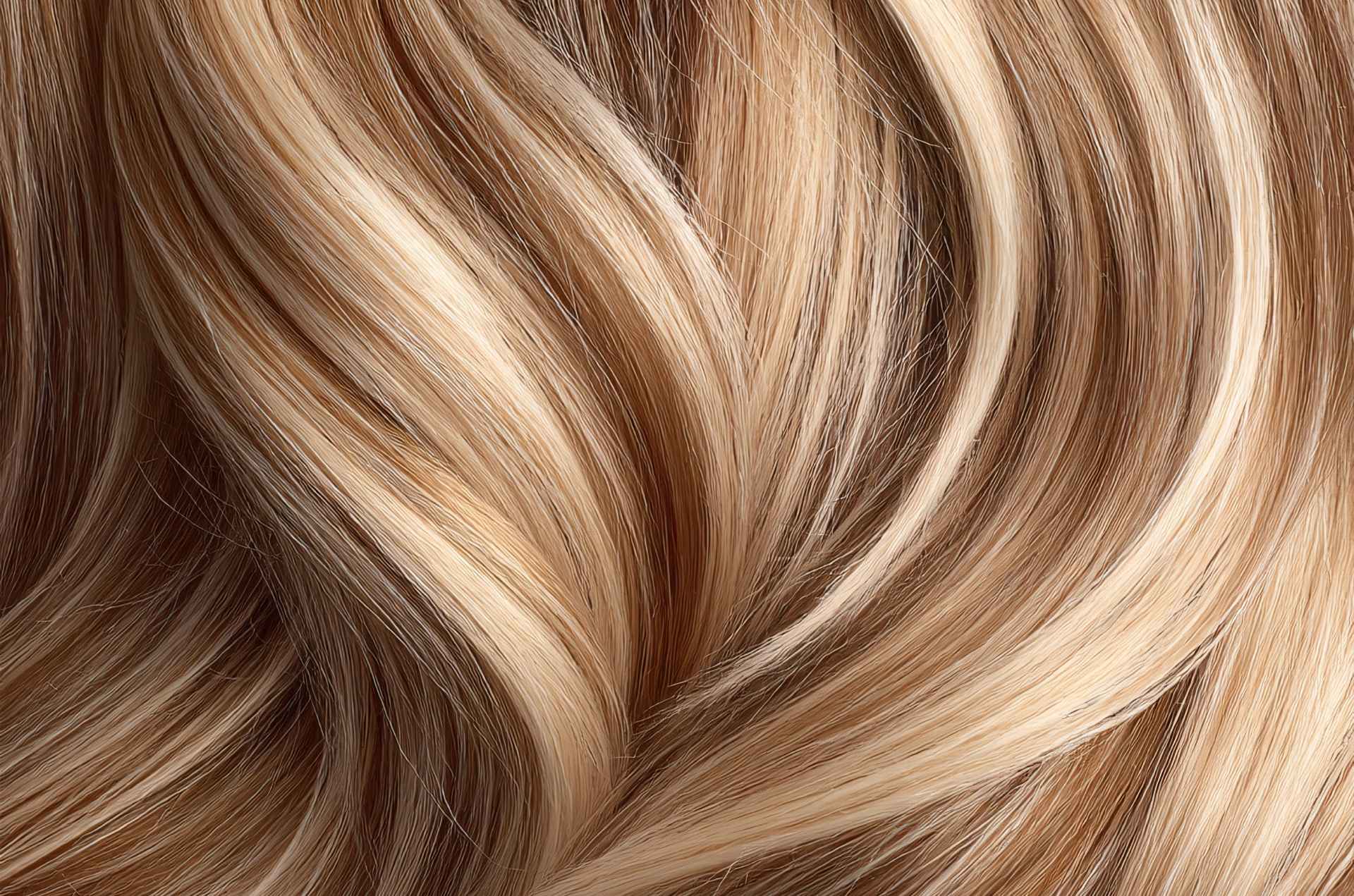
The colour families, in plain terms
Going lighter overall is the big commitment. Full blonde transformations can take anywhere from three to six hours in the chair, sometimes across multiple sessions. The darker your starting point, the longer the journey. Home care between visits is essential.
Foils and highlights add brightness and contrast through the hair. Sessions run between two and a half to five hours depending on how many foils are placed and where. Face-framing foils show regrowth sooner. Scattered foils through the mid-lengths are more forgiving.
Balayage and lived-in colour gives a softer, more graduated result. There’s no hard line where the colour starts, so the grow-out looks intentional for longer. Sessions take three to five hours. Most people stretch between major appointments with a gloss refresh in between. The differences between balayage and traditional foils come down to placement, contrast and how visible the regrowth line is.
Grey coverage and blending are two different approaches to the same problem. Full coverage produces a uniform, polished result with root appointments usually every four to six weeks. Blending works with the grey, softening it so regrowth is less obvious and the time between appointments stretches further.
Colour correction covers everything from box dye build-up and banding to previous colour that has gone off course. This kind of work is often staged across multiple sessions to protect the hair’s integrity. Three to six hours per session is typical, depending on what needs to happen.
Reds and fashion tones fade faster than neutral shades. The pigment molecules in vivid reds, coppers and fashion colours are larger, which means they wash out more quickly. Regular gloss refreshes keep the colour alive between major appointments.
The part most people skip over: maintenance
Colour can look perfect when you leave the salon. Keeping it that way over the following weeks is a separate job, and one that a surprising number of people underestimate.
Here’s a realistic guide to how often each service needs attention:
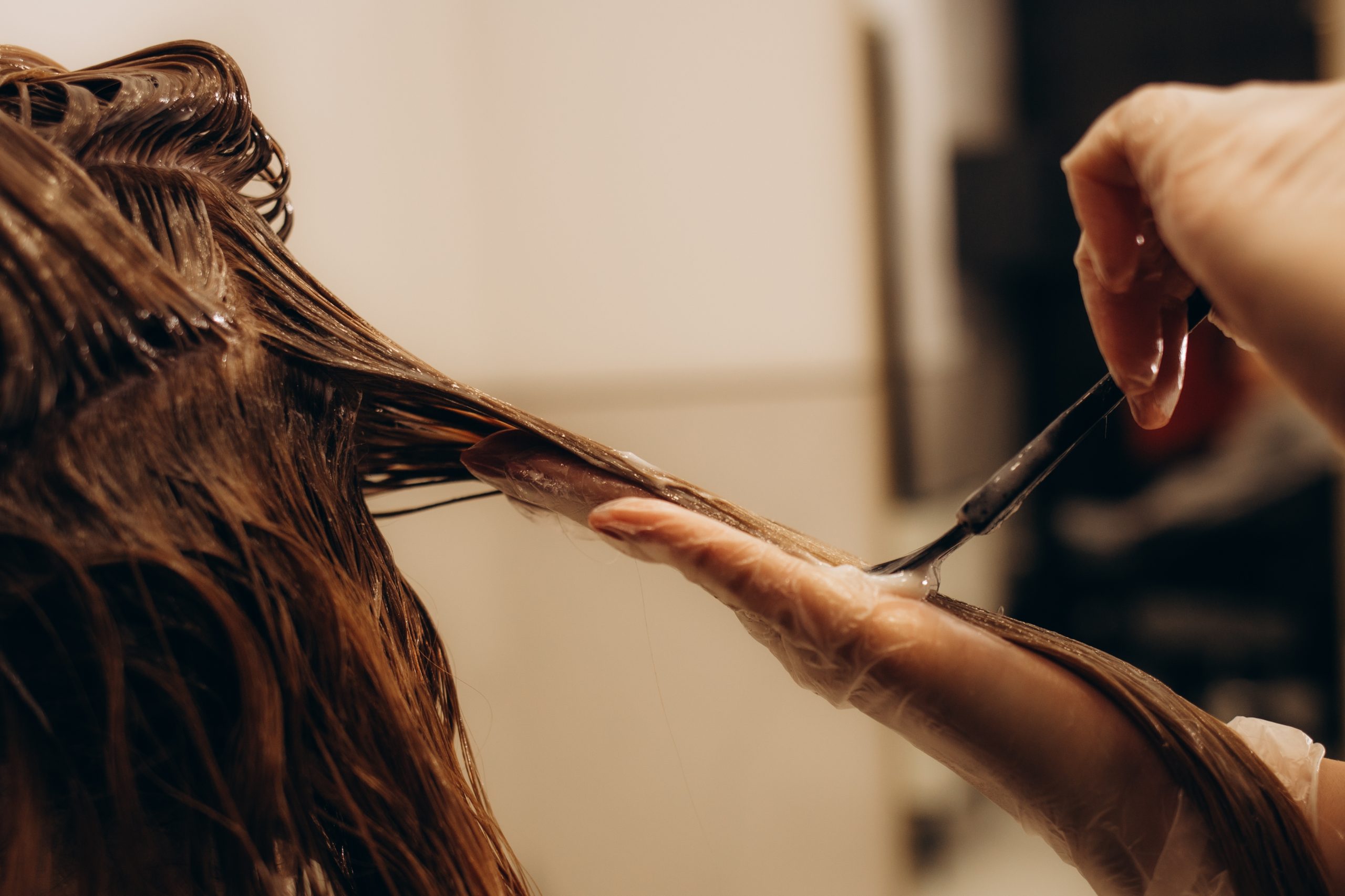
These are ranges. Your hair’s porosity, how often you wash it, whether you swim, how much sun exposure you get and what products you use all shift the timeline in one direction or another.
Home care picks up where the salon leaves off. UV protection matters, especially in an Australian summer. Heat protection before any hot tool. Gentle cleansing so you’re not stripping colour every time you wash. And build-up control, because product residue and mineral deposits from hard water change how colour sits over time. Hair responds differently depending on how you treat it, and colour amplifies every shortcut.
What your colourist needs to know

Every head of hair carries a history, and that history affects what happens next. Box dye, old lightening, keratin or smoothing treatments, mineral build-up from bore water or swimming pools. All of it changes how new colour responds. So does age. Hair shifts in texture and porosity over the years, which means a formula that worked at thirty may need adjusting at forty-five.
This is where honesty during consultation earns its keep. A colourist who knows what has been on your hair before can plan around it. One who doesn’t is working with incomplete information, and the result usually reflects that.
Patch tests check for allergic reactions to colour chemicals. Strand tests predict how the hair will lift, how it will hold tone and whether the structure can handle the process. Neither takes long. Both can prevent problems that take much longer to fix.
Planning colour around your life
If you’ve got a wedding, a holiday or a big event coming up, timing matters. The best approach is to have major colour work done well in advance and book a gloss or toner refresh closer to the date. Fresh-from-the-salon colour needs a few days to settle. Colour that’s two weeks past its peak shows it. Planning colour around life events is mostly about working backwards from the date and giving yourself margin.
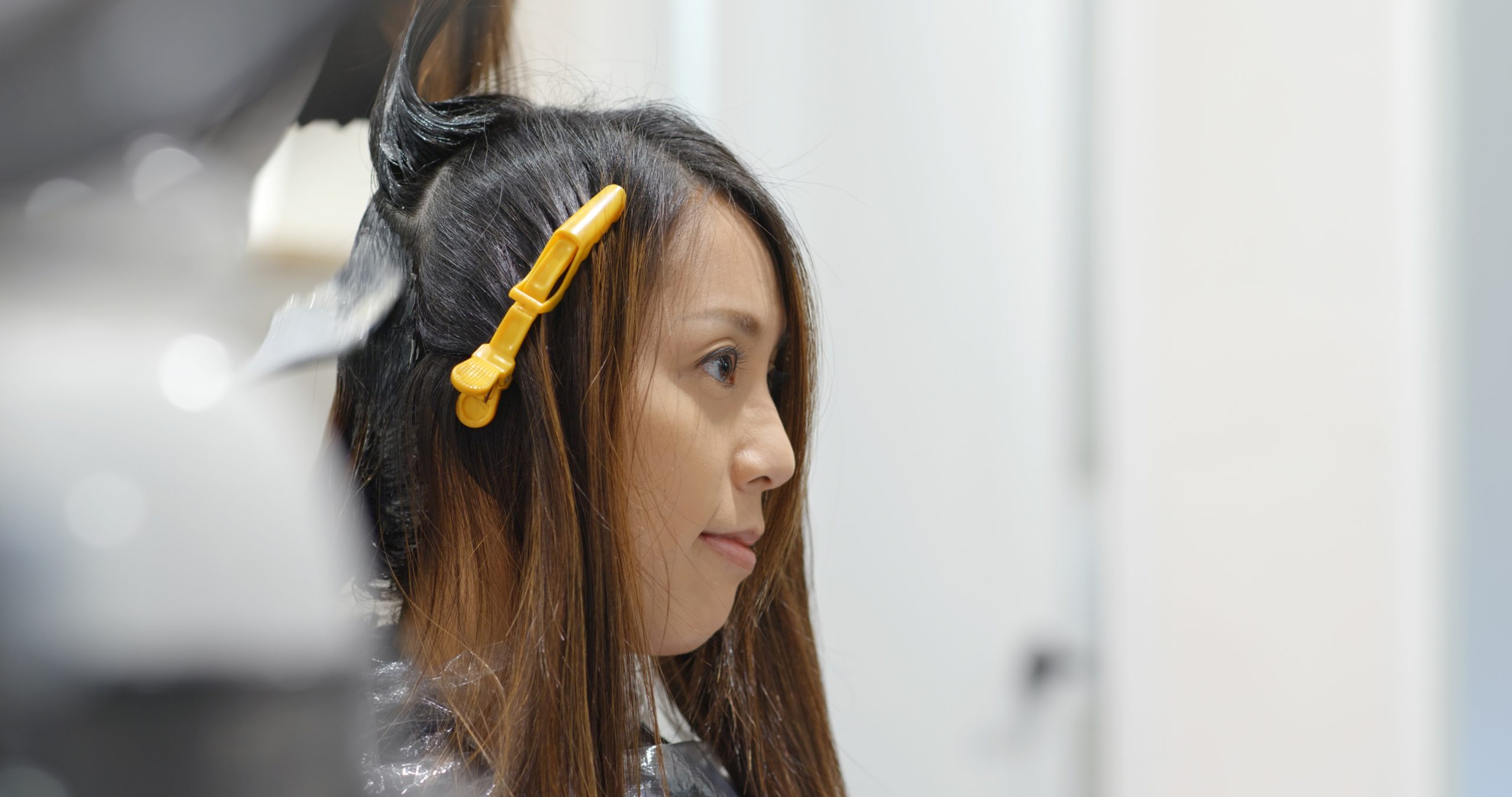
The consultation is the service
The right colour matches three things: the outcome you want, the condition your hair is in right now and how much maintenance you’re prepared to commit to. When all three line up, the colour works. When one is off, something feels wrong, even if the technical work was flawless.
Colourists who take their time over that first conversation are the ones worth coming back to. They’re working out what your hair can do, what it should do and what will still look right in twelve weeks. That conversation is where good colour starts. Everything that follows is execution.


