
It arrives slowly, strand by strand, until one day the mirror reflects a change that feels more permanent. For some women, this gives them a personal choice to make about identity. It means that how you respond depends on more than the greys themselves. Lifestyle, time, budget, and how natural you want your colour to look all shape the best approach.
At Rixon Hairdressing in Geelong, we see every version of this decision. Some clients want to conceal greys completely, others prefer to soften them, and many choose a gradual blend that works with their natural tone. There isn’t one right choice. The secret is finding a technique that fits how you live.
Grey coverage is not just technical. For many women, it becomes a personal decision about identity, maintenance and how visible they want the change to be. Our reflection on the moment grey hair starts to feel personal looks at that side of the decision.
Understanding your options
Salon grey coverage isn’t one single service. It’s a spectrum of colour strategies, each with its own effect and upkeep. These are the approaches most clients in our Geelong salon consider when the first greys appear.
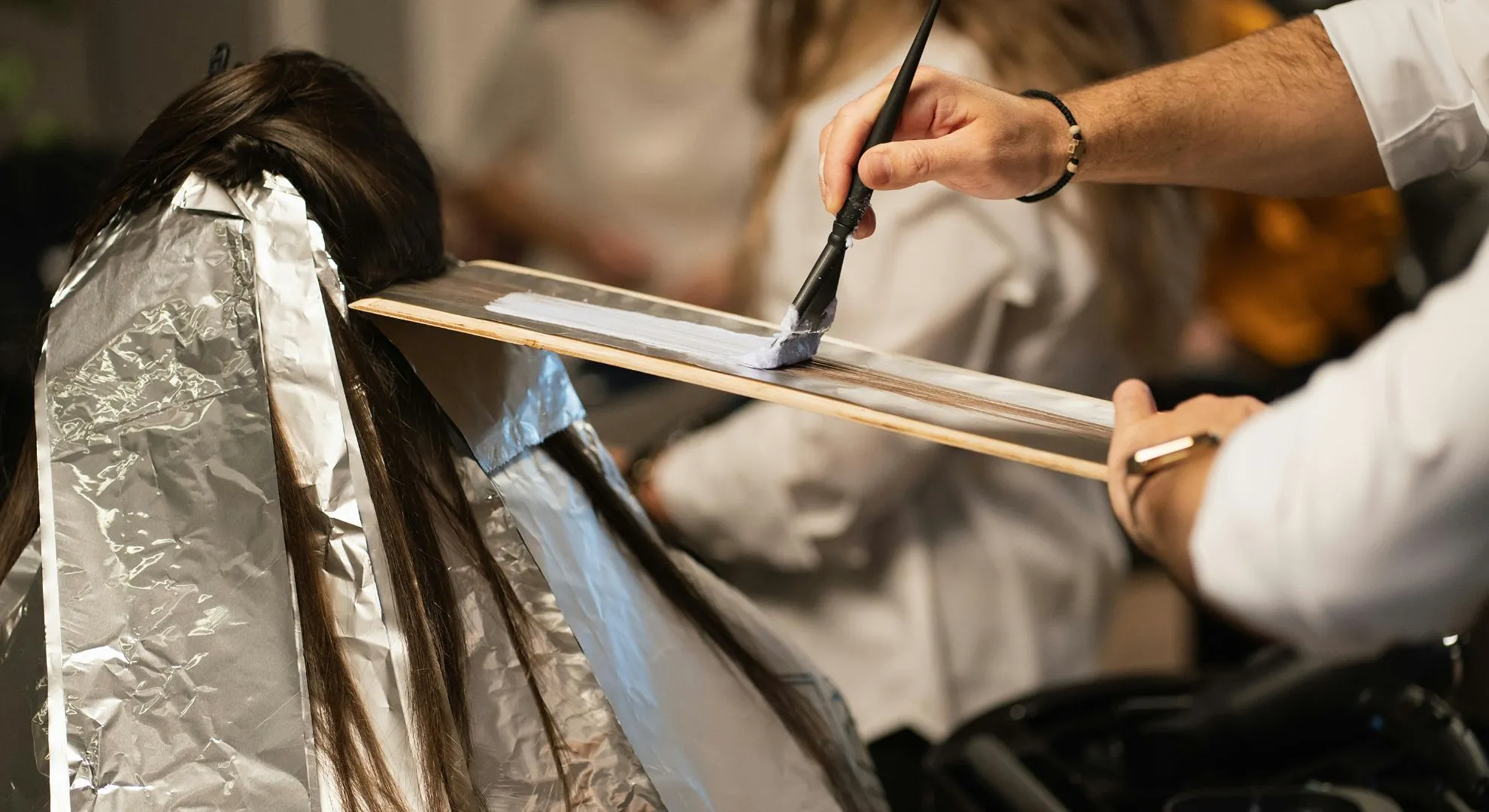

Permanent colour for complete coverage
Permanent colour is the most reliable way to achieve full coverage. The pigments penetrate deeply, coating even coarse grey strands.
- Best for: clients who want an even, consistent shade from roots to ends.
- Top-up timing: every 4 to 6 weeks, depending on regrowth speed.
- Finish: polished, uniform, and easy to refresh once the tone is established.
Permanent formulas have improved significantly in recent years. Modern salon brands use conditioning agents that keep the hair glossy and soft rather than flat or overprocessed. For many clients, the comfort of knowing every strand is covered outweighs the commitment to regular maintenance.
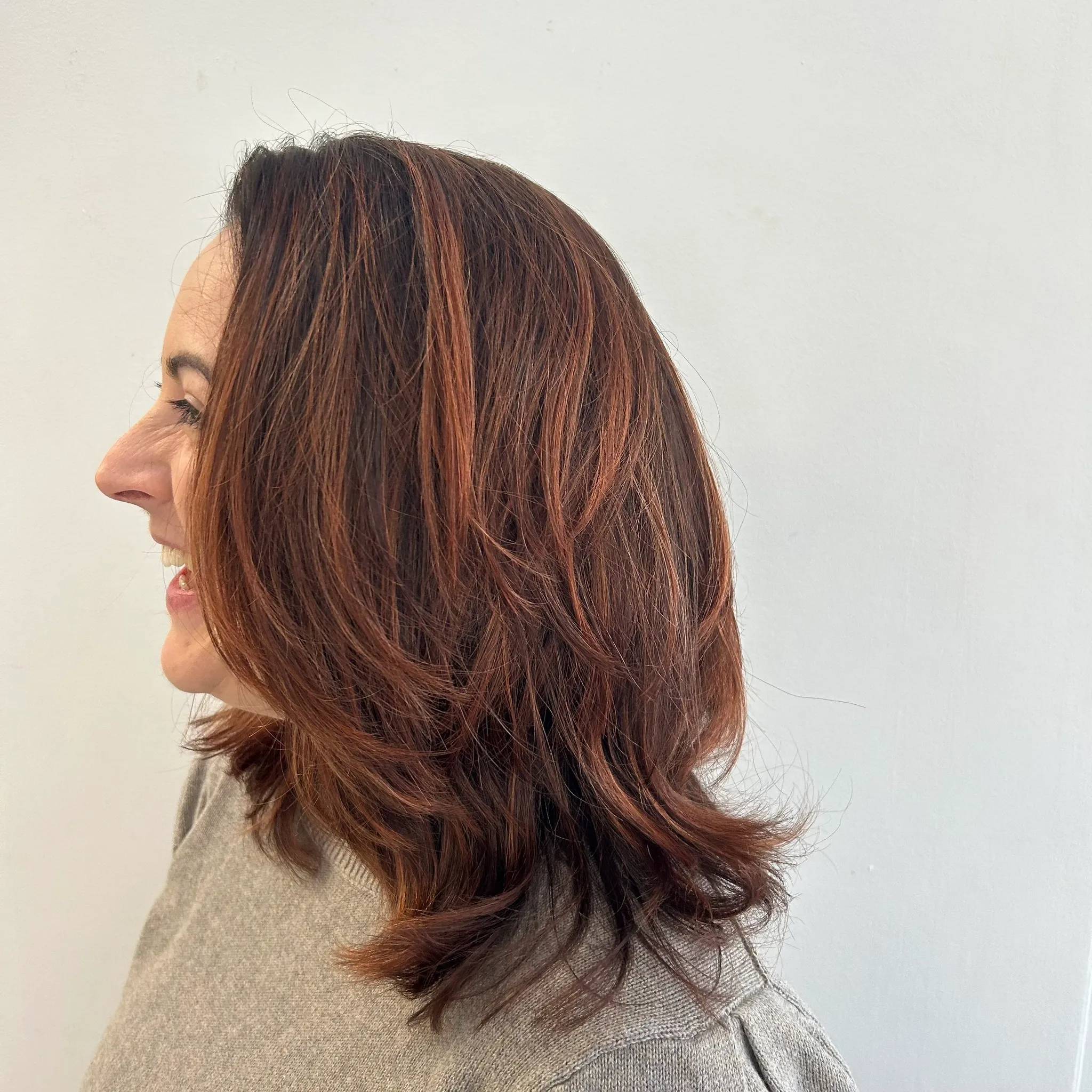
Demi- or semi-permanent colour for softer blending
When full coverage feels too solid or frequent, demi- or semi-permanent colour offers a more flexible solution. These formulas deposit pigment without permanently altering the hair’s natural base, creating a soft veil rather than a complete blanket.
- Best for: early greys or clients easing into colour maintenance.
- Top-up timing: every 6 to 8 weeks.
- Finish: translucent and natural, with gentle fade rather than sharp regrowth.
These colours fade gradually, which means no harsh line between new growth and coloured hair. They are particularly effective for clients who want to extend time between appointments or are experimenting with tone before moving to a full coverage approach.

Foils to disguise greys with lightness and texture
Foiling remains one of the most versatile methods for managing grey hair without changing it all. By weaving lighter strands through the natural base, foils scatter and disguise greys instead of covering them completely.
- Best for: clients with 20–50 per cent grey who prefer dimension over uniformity.
- Top-up timing: every 8 to 12 weeks.
- Finish: multi-tonal, bright, and low-contrast at the roots.
Foils also pair well with existing colour. For example, clients with darker hair often add fine highlights around the face to soften new greys. It’s an elegant middle ground between embracing change and maintaining brightness.
(See also Full Head Foils and Highlights or Half Head Foils for more detail on foil placement and results.)
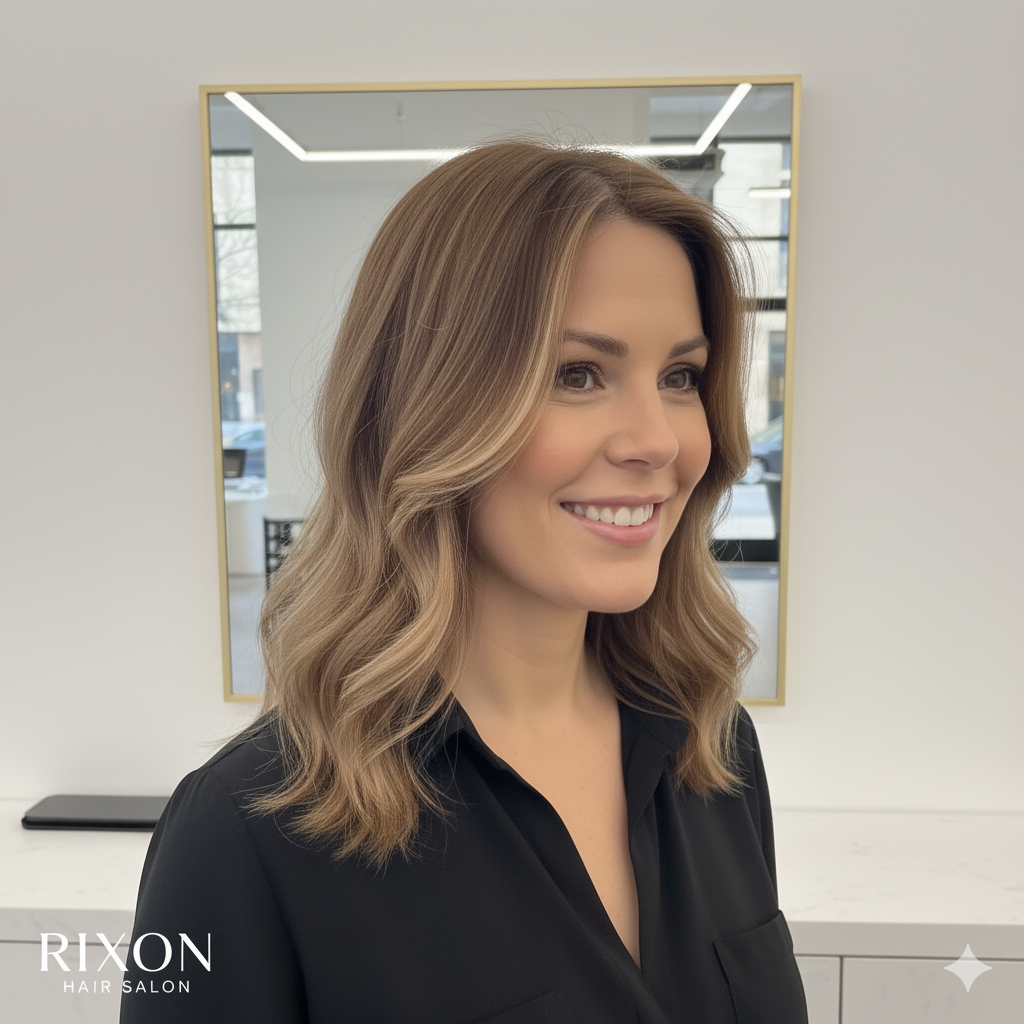
Balayage for effortless, low-maintenance blending
Balayage — a hand-painted colouring technique — has become a favourite for women managing grey hair without strict upkeep. Because the highlights are diffused and often lighter toward the ends, the eye is drawn away from regrowth.
- Best for: clients who want minimal appointments and a natural, sun-lit finish.
- Top-up timing: every 3 to 6 months, with toner or gloss refreshes in between.
- Finish: soft, diffused, and seamless even as hair grows out.
Balayage suits those who prefer movement and texture to uniformity. When done by an experienced colourist, it can be adapted for subtle coverage or gradual transition to natural grey over time.
You can view examples on our Balayage page.
Common questions about grey coverage
Not every appointment revolves around a wedding or a milestone birthday. For most people, it’s the smaller, recurring events that matter most.

How to match technique to lifestyle
In Geelong, we often find colour routines mirror local rhythms. Clients plan appointments around work rosters, school terms or community events. A low-maintenance technique can make a significant difference when life is busy.
For someone who prefers a polished look for professional settings, regular permanent colour may be worth the commitment. Those who spend more time outdoors or prefer flexible scheduling often choose demi-permanent or balayage to reduce maintenance.
The right approach is less about age and more about how colour fits into your everyday life.
In Geelong, we often find colour routines mirror local rhythms. Clients plan appointments around work rosters, school terms or community events. A low-maintenance technique can make a significant difference when life is busy.
For someone who prefers a polished look for professional settings, regular permanent colour may be worth the commitment. Those who spend more time outdoors or prefer flexible scheduling often choose demi-permanent or balayage to reduce maintenance.
The right approach is less about age and more about how colour fits into your everyday life.
What this means for your next appointment
Choosing how to manage grey hair is personal, but it doesn’t have to be complicated. The best result happens when your colour plan reflects your lifestyle as much as your shade preferences.
At Rixon Hairdressing, our colourists design coverage strategies that consider timing, tone and upkeep together. Whether you want total coverage, soft blending or a natural transition, we help you find what works with your hair and your calendar.
Explore options for Foils and Highlights or book a consultation to discuss a customised colour plan through our Book Now page.


