
The routine is familiar. The tools are the same. The products have not changed. And yet, something feels off.
Hair that once behaved easily now feels drier. Straighteners seem to catch rather than glide. Blow-drying takes longer and delivers less payoff. Even with regular trims, the ends look rougher than expected. These changes often arrive gradually, which makes them harder to pinpoint and easier to question.
Most women assume they are doing something wrong. In reality, hair changes over time in ways that show up most clearly during styling.
A cut that suits your current texture can make styling easier than fighting the hair into an old shape. If you are ready to change the structure of your haircut, our restyle cut and blow dry service is built around consultation and at-home styling advice.
When Familiar Routines Stop Working
One of the first signs women notice is that a styling routine that worked for years suddenly feels ineffective. Hair may still respond, but not in the same way. Volume drops faster. Smoothness does not last. Frizz returns sooner.
This is not about technique. It is about how hair responds to the same actions at different stages of life. Hair in your thirties, forties and fifties often behaves differently under heat, tension and airflow than it did in your twenties.
Common observations include:
Why Hair Feels Drier Than It Used To
Many women describe their hair as dry even when they are conditioning regularly. What they are often noticing is not dryness alone, but a change in how moisture distributes through the hair.
Over time, natural oil production slows slightly and takes longer to travel from roots to ends. Colour history, environmental exposure and daily styling all influence how supple hair feels under the hands. The result is hair that feels less flexible and less forgiving during styling.
Dryness shows up most clearly when:
Why Straighteners Start to Drag or Catch
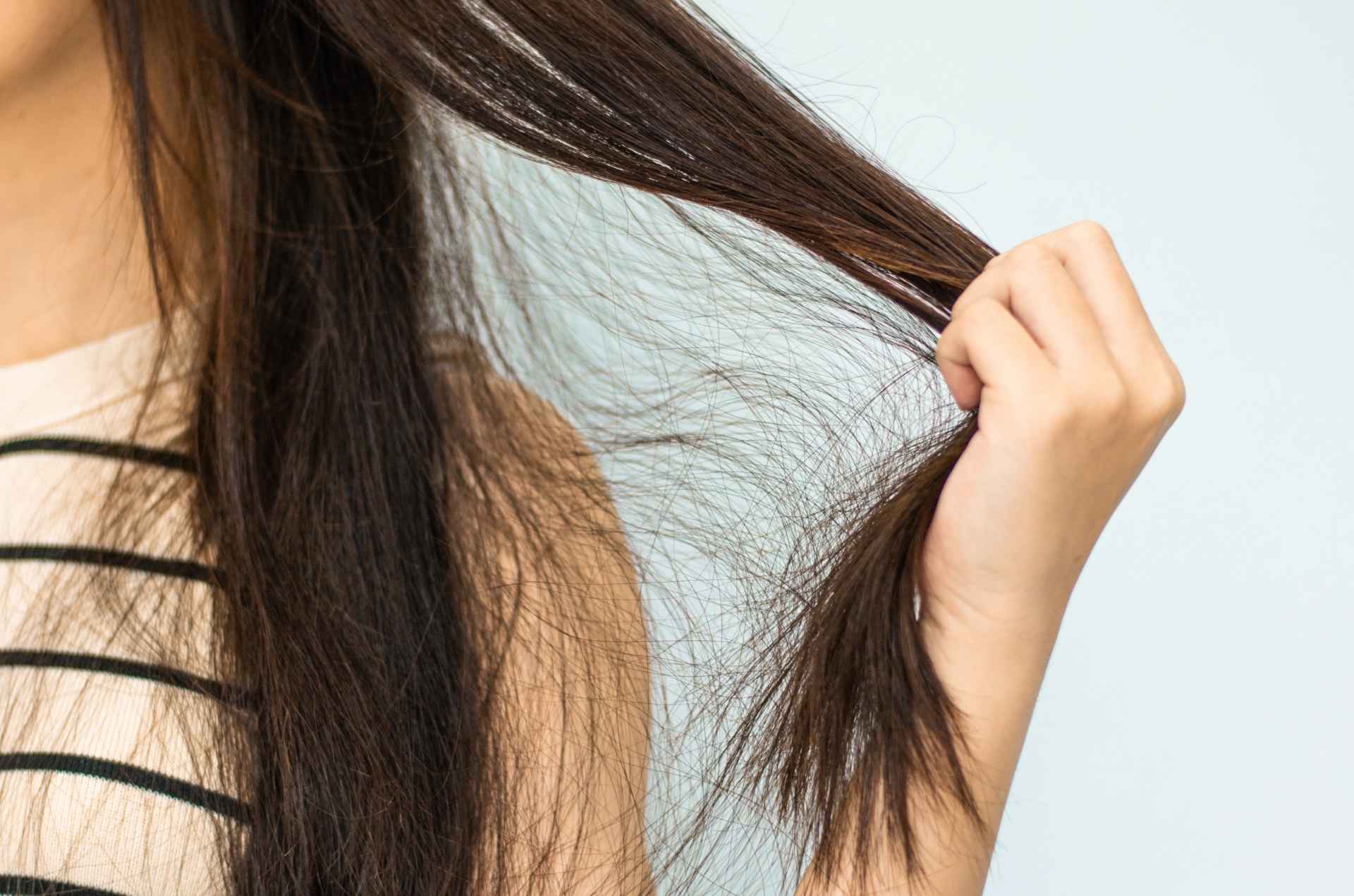
When straighteners glide easily, hair has enough surface smoothness to move freely between plates. When they begin to drag, it usually means the surface of the hair has changed.
This can happen even without visible damage. Slight roughness along the cuticle creates resistance. Over time, repeated styling amplifies the sensation, making straightening feel harsher even when temperatures stay the same.
Many women notice this change first at the ends or around the face, where hair has the longest exposure to styling and environmental wear.
Why Blow-Drying Takes Longer
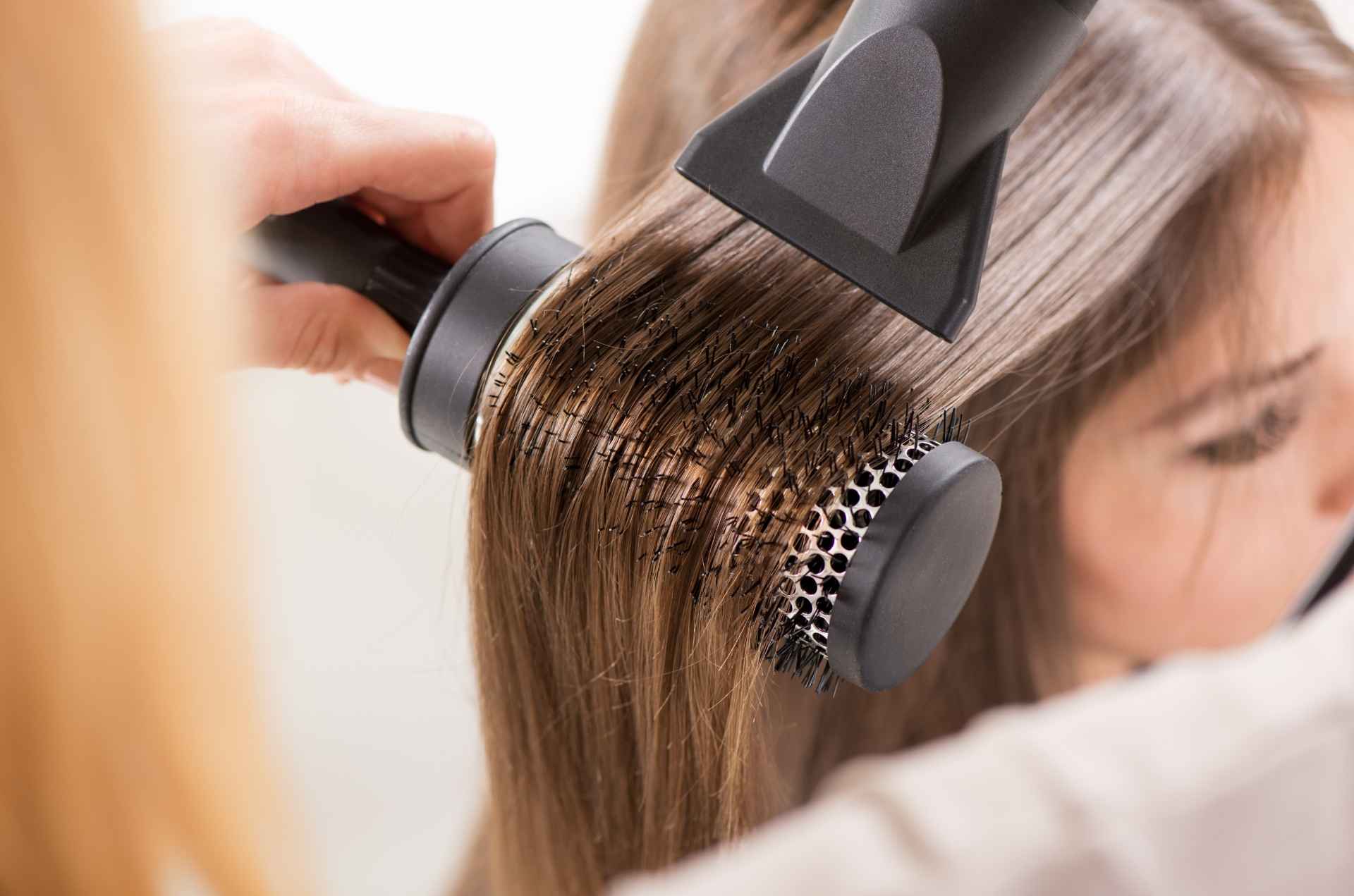
Hair that once dried quickly may start to feel more resistant to airflow. Blow-drying takes longer and requires more effort to achieve the same finish.
This often relates to density changes, texture shifts and how hair absorbs and releases moisture. Hair that holds onto water longer also holds onto frizz longer. The process feels more labour-intensive, even when nothing about your routine has changed.
Why the Ends Look Rougher Despite Trims
Women commonly notice:
The Hidden Reasons Hair Gets Harder to Style With Age
Some of the most common experiences include:
Grey hair, in particular, often feels firmer and reflects light differently. This can affect how colour sits and how hair responds to heat, even when greys are still minimal.
Why This Can Feel Frustrating
Styling is one of the most tactile ways women interact with their hair. When it stops responding as expected, frustration builds quickly. Many women describe feeling as though their hair is no longer cooperating, even though they have not changed anything.
That disconnect can feel personal. But it is not uncommon, and it is not imagined.
Understanding the Shift Without Blame
What helps most is recognising that hair changes are normal and cumulative. They do not arrive all at once, and they rarely announce themselves clearly. They show up in small, everyday moments during styling.
Understanding that these changes are shared experiences often brings relief. It reframes the situation from something you are doing wrong to something your hair is doing differently.
When hair feels different to style, it is usually responding to time, environment and history rather than a single habit or mistake.


