
Not because you don’t want to do it. But because the reality of what “going blonde” actually involves is starting to sink in, and it’s more complicated than the Instagram posts suggested.
The photos make it look simple. Dark hair one day, sun-kissed blonde the next, maybe a caption about fresh starts or new energy. What they don’t show is the conversation about undertones, or the explanation of why your particular shade of brown won’t lift to platinum in one session, or the fact that blonde isn’t actually one colour at all.
Blonde comes in many variations
When most people say they want to go blonde, they’re thinking of a specific shade they’ve seen on someone else (Margot Robbie blonde). That beachy, slightly messy blonde from summer holiday photos. Maybe the expensive-looking blonde that somehow manages to look both natural and clearly professional.
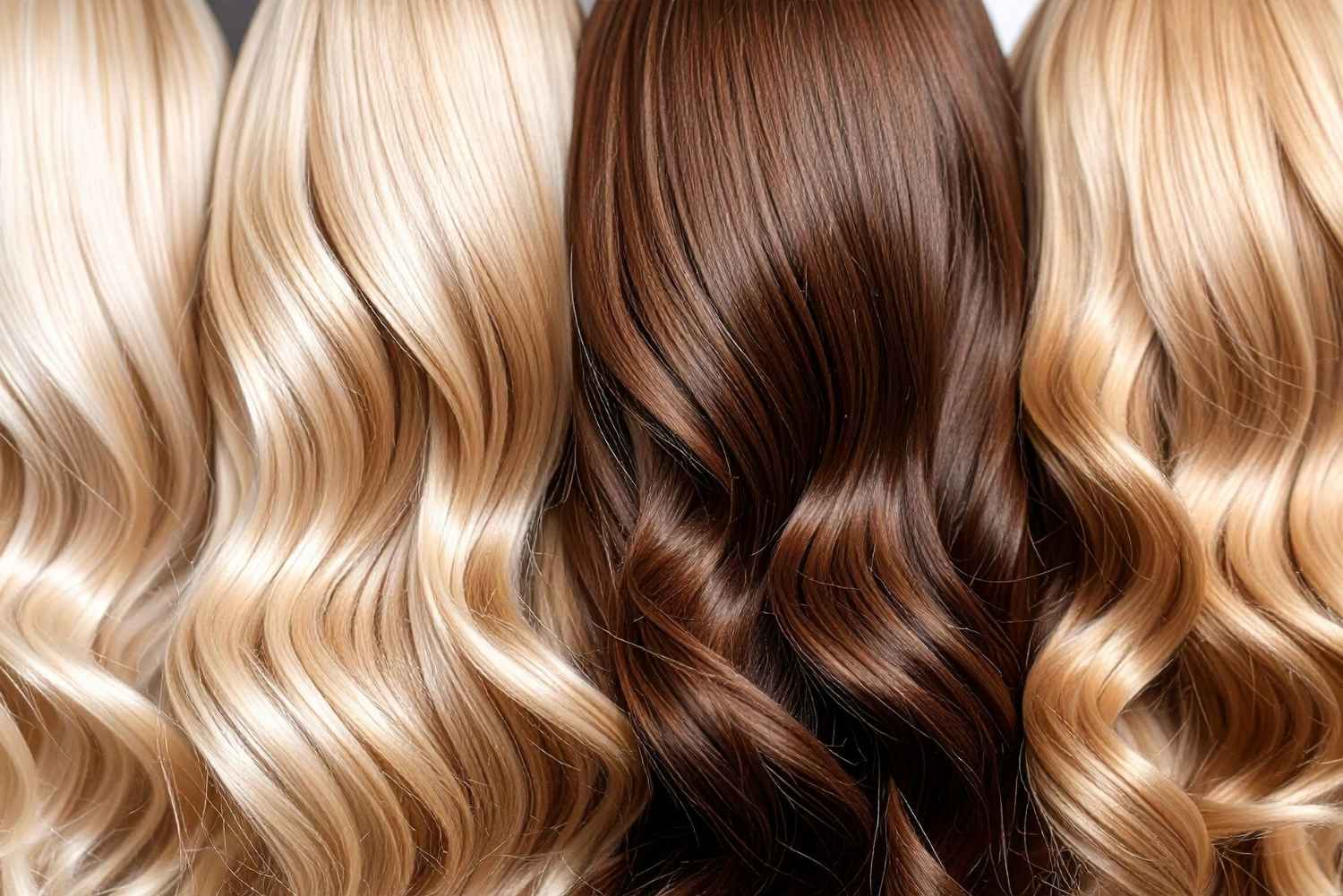
The problem is that “blonde” covers everything from buttery gold to ash grey to honey to champagne to about thirty other variations that all look completely different depending on who’s wearing them.
What looks incredible on your friend might read completely wrong on you. That is not because the colour isn’t beautiful. The challenge is that "blonde" encompasses a wide range of shades, including buttery gold, ash grey, honey, champagne, and many others, all of which can look very different on different individuals.
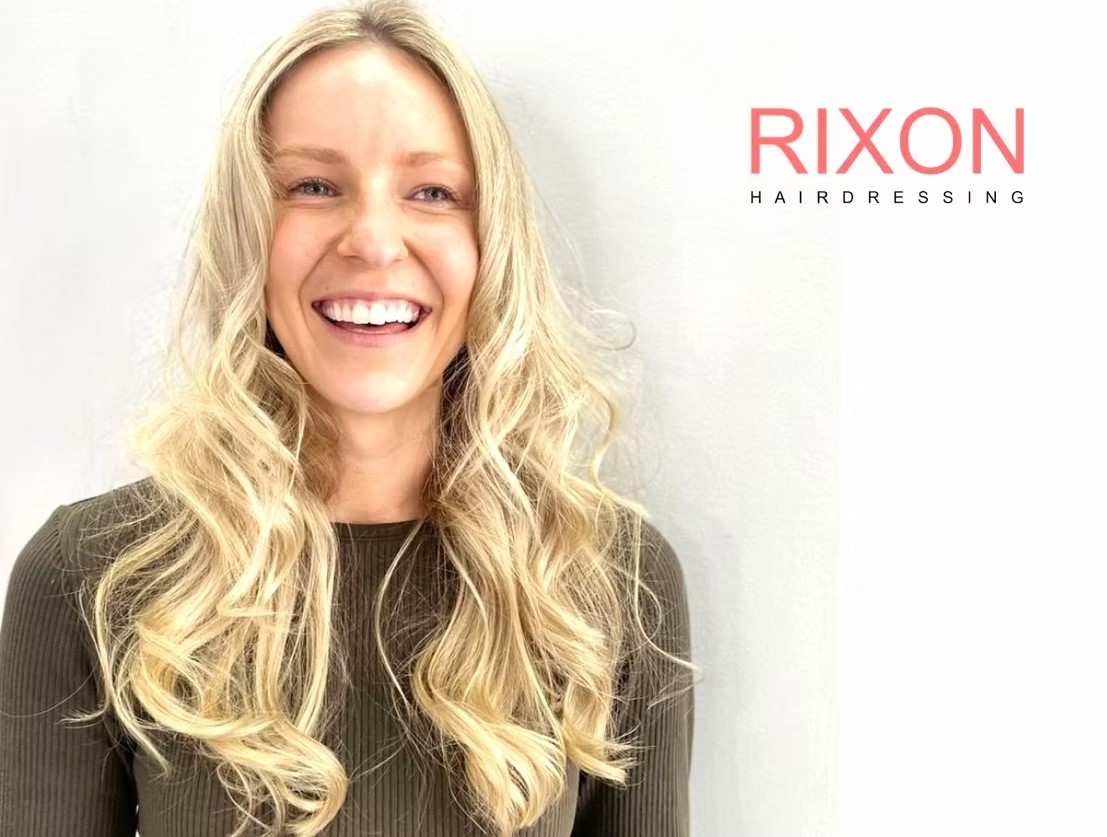
This is why Rixon colourists take the time to show you reference photos and discuss warm versus cool tones before applying any dye. They aren't being difficult; they are trying to determine which version of blonde will truly suit you, rather than simply going with the colour you've chosen based on a photo of someone with different colouring.
Your natural colour matters more than you think
If you’re starting with dark brown hair and wanting to go pale blonde, that’s a different journey than someone with light brown hair wanting to add some brightness around their face. Not impossible - just different.
Darker bases tend to pull warm when they’re lightened. Orange, brassy, sometimes an odd reddish tone that nobody asked for. That’s just chemistry. It’s how melanin behaves when you strip it out. The darker you’re starting from, the more sessions it takes to get to a cooler, paler blonde without destroying your hair in the process.
Light brown or mousy blonde hair has an easier run. It lifts faster, tends to pull less warm, and can often get to a nice bright blonde in one or two sessions without too much drama.
This doesn’t mean you can’t go blonde if you’ve got dark hair. It just means tempering expectations about how quickly it’ll happen and what it’ll look like along the way. That in-between phase where you’re honey blonde but wanted platinum? That might be where you live for a few months while your hair recovers enough for the next session.
The process takes longer than you want it to
This is the bit that surprises people. They’ve seen the before-and-afters online where someone goes from brunette to ice blonde in a single post. What they don’t see is the six hours in the salon, or the fact that the person’s hair was already pre-lightened, or that the “before” photo was taken weeks earlier when they were actually darker.
The reality for most people is that going blonde happens in stages. First session might get you to a warm caramel. Second session takes you to honey. Third gets you closer to the actual blonde you wanted. Each time, the colourist is lifting a bit more, toning out the warmth, checking that your hair’s still in good enough condition to keep going.
It’s slow. It can be frustrating, especially when you’re sitting at that in-between stage that isn’t quite what you asked for. But it’s also the difference between having healthy blonde hair and having fried, broken hair that’s technically blonde but looks terrible.
It changes how light hits your face
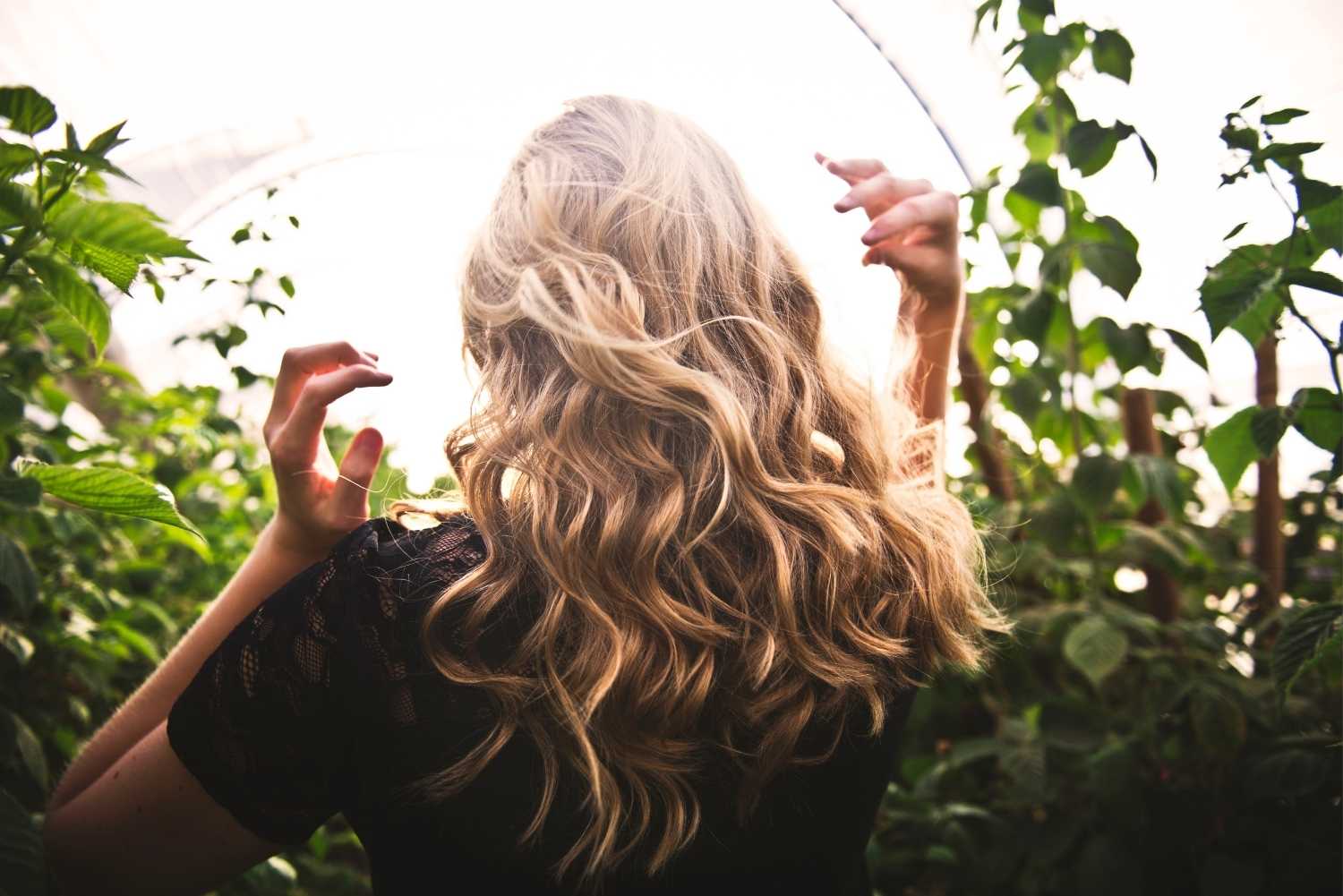
This is something most people don’t think about until after it’s done: blonde reflects light differently than darker hair. Suddenly there’s this bright frame around your face that wasn’t there before. It can make your eyes look lighter. Your skin might appear different - sometimes better, sometimes like you need to adjust your makeup.
In natural light, particularly sunlight, blonde can look almost luminous. Indoors under artificial light, especially yellow-toned lighting, it can look flat or brassy or not quite the same shade you saw in the salon.
This isn’t a problem with the colour. It’s just how blonde behaves. It’s more reflective than dark hair, so it picks up whatever light is around it. That’s part of what makes it look fresh and bright, but it’s also why your blonde might look like three different shades depending on where you’re standing.
The texture changes too
Lightened hair feels different. It’s a bit drier, a bit more textured, sometimes coarser than it was before. This is normal. You’ve chemically altered the structure of the hair to strip out pigment - it’s not going to feel exactly the same as it did when it was virgin hair.
Most people notice this straight away. Their hair feels different when they run their hands through it. It might be slightly rougher to the touch, or it might have more body than it used to. Some women love this - it gives the hair more grip, makes it easier to style. Others find it takes getting used to.
The dryness is manageable with the right products, but it’s worth knowing it’s coming. You’ll need to adjust your routine. More conditioning. Less heat styling, or at least better heat protection. Probably a purple shampoo to keep the brassiness at bay, which is its own learning curve.
Maintenance is whatever you decide it is
There’s this assumption that blonde equals constant salon visits and expensive upkeep. It can be, if you want it to be. But it doesn’t have to be.
If you’re going for a high-contrast blonde with defined dimension and placement, yes, you’ll need regular appointments to keep it looking intentional. Roots showing on that kind of blonde look unfinished.
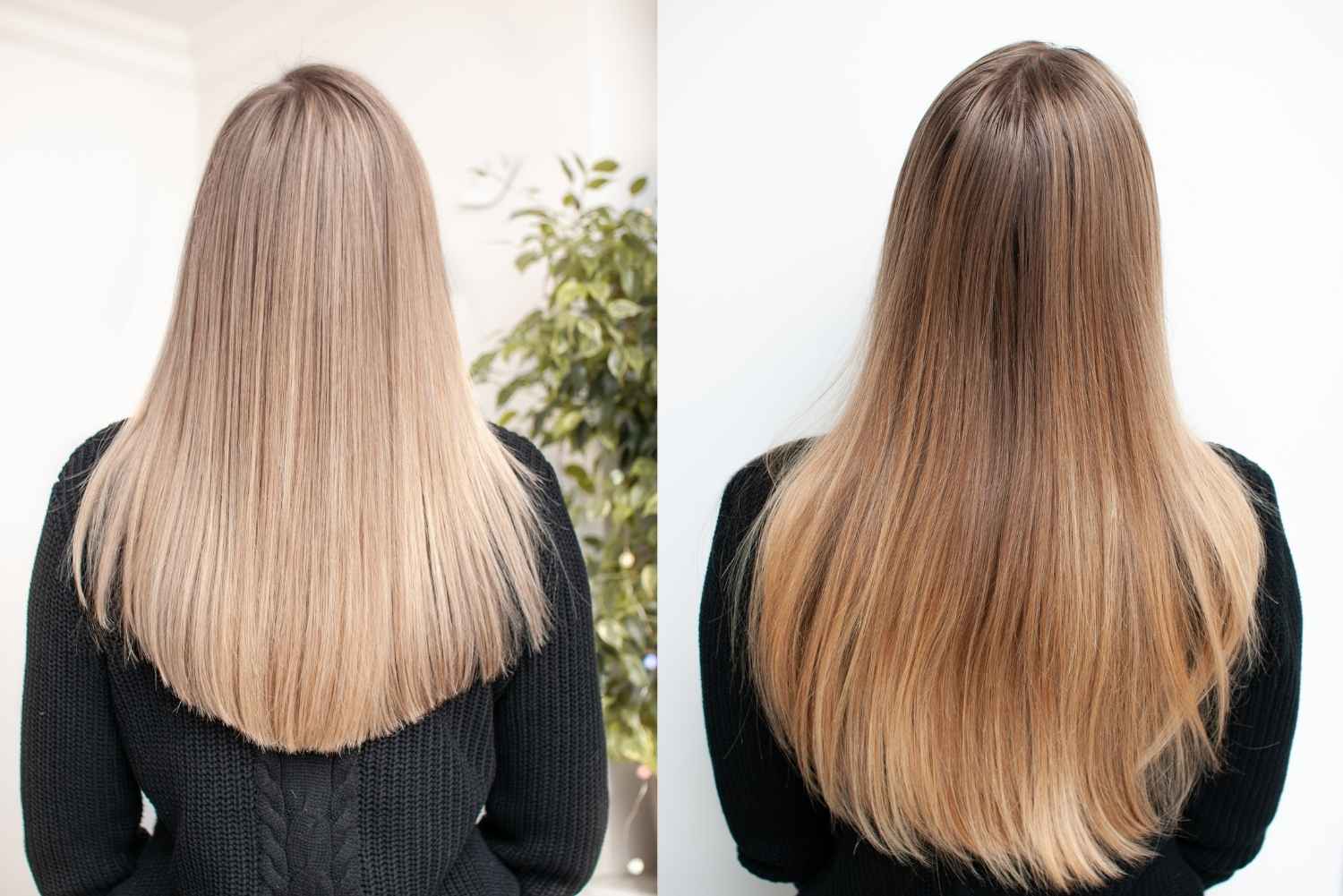
But if you’re doing something softer - balayage with a gradual blend, or babylights that grow out naturally - you can stretch appointments to three or four months without it looking obviously neglected. The blonde just shifts into a lived-in, sun-faded look that plenty of people actively want.
The maintenance level is a choice, not a requirement. You can go high-maintenance or low-maintenance depending on what you’re after and what fits with how much time and money you want to invest.
Lifestyle affects how it wears
If you swim a lot, your blonde’s going to go green-tinged or brassy faster than someone who doesn’t. Chlorine is brutal on lightened hair. So is salt water, though in a different way - it tends to dry it out and make it feel stripped.
Sun exposure fades colour. Heat styling can turn it brassy. Hard water deposits minerals that change the tone. Daily washing strips out toner faster than washing every few days.
None of this means you can’t have blonde hair if you swim or spend time outdoors or use hot tools. It just means factoring that into what shade you choose and how often you’ll need to refresh it. A colourist who’s paying attention will ask about your lifestyle before they decide on a formula.
The reality check
Going blonde can be expensive. It can be time-consuming. It will change your hair routine and probably require new products and definitely mean more salon visits than you’re used to.
Your hair will feel different. It might look different than you imagined, at least initially. There will be an adjustment period where you’re working out how to style it, what works with your skin tone, whether you actually like being blonde as much as you thought you would.
Some women love it immediately. Some grow into it. Some do it once and then spend the next year growing it out, having learned that they’re actually happier as a brunette.
All of that’s fine. Hair grows. Colour fades. Nothing’s permanent if you decide it’s not working.
But if you’re going to do it, go in knowing what you’re signing up for. Talk to a colourist who’ll be honest about what’s achievable with your hair. Start slower than you think you need to. And don’t measure your results against someone else’s Instagram - measure them against whether you actually like what you see in the mirror each morning.
That’s the only measure that matters.


