
According to the BOM, both maximum and minimum temperatures are likely to sit above normal levels, while December rainfall is forecast to be below average. This combination places extra pressure on hair, particularly for people spending long hours outdoors.
That early snippet of the forecast tells us that a typical summer in Geelong may include:
Even more heat and UV in January 2026?
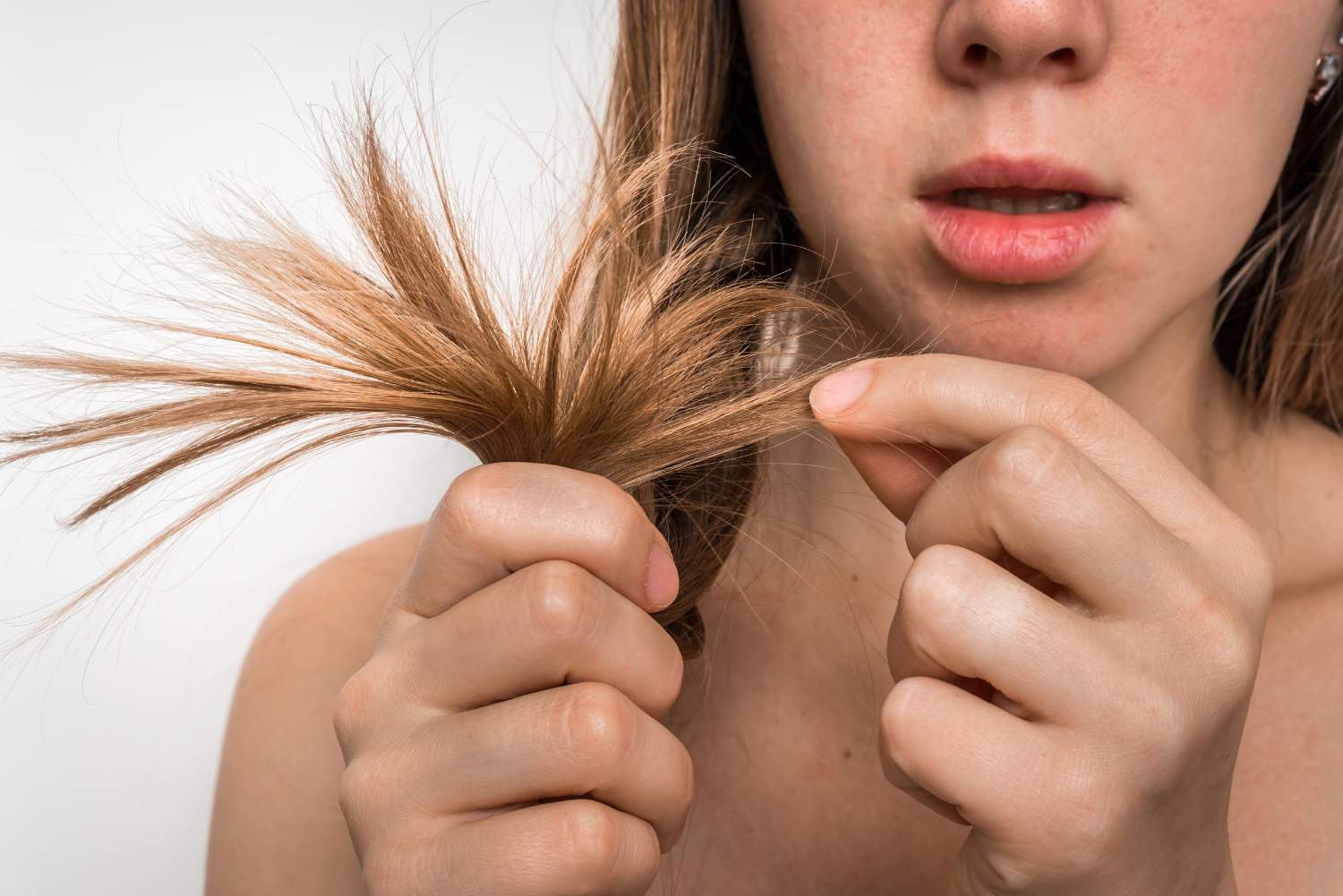
For hair, those conditions translate into a tougher environment. Heat can strip moisture from the hair shaft, while UV exposure accelerates colour fading. Below average rainfall can also mean drier air for long stretches, making hair more prone to brittleness and breakage. The BOM summary for Victoria's last summer supports this picture: the state recorded an average maximum of 28.7°C, roughly 2°C above the 1961 to 1990 baseline, making it one of the warmest summers ever measured. Some areas between Melbourne and Geelong reported rainfall totals as low as 57 per cent of the long term seasonal average.
What Hotter Conditions Mean for Hair
More Heat, More Hair Stress
How to Prepare Your Hair for a Geelong Summer
A Simple Summer Hair Routine
Tips for Different Hair Types


When to Visit Rixon Hairdressing
Why This Matters Now
The signals from the BOM are clear. Victoria is preparing for another warmer than average summer, with a high likelihood of hotter days and sustained heat across both day and night. December is expected to be drier than normal and rainfall for January and February remains uncertain. For people in Geelong, this means hair will face more intense environmental stress than usual.
Taking steps now allows hair to enter the hotter months stronger and healthier. Small changes in routine can make a significant difference in how hair looks and feels through summer.
If your colour fades quickly in summer, our guide to stopping hair colour from fading explains the main causes and aftercare steps.


